


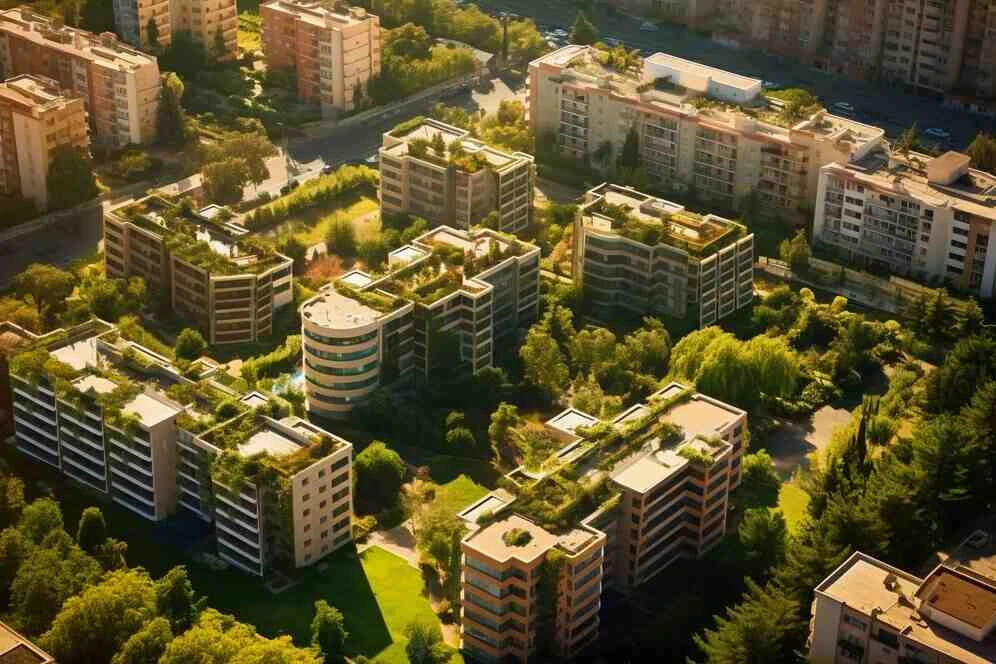
Smart Cities: The Digital Transformation of Urban Living
Smart cities are at the vanguard of urban planning, leveraging technology and data to enhance the efficiency, sustainability, and livability of urban areas. Key elements of smart cities include:
1. IoT Integration: The Internet of Things (IoT) connects everyday objects and infrastructure, enabling real-time data collection and analysis. This data informs decision-making, enhances resource allocation, and improves city services.
2. Sustainable Infrastructure: Smart cities prioritize green infrastructure, such as renewable energy sources, energy-efficient buildings, and smart grids, to reduce environmental impact and enhance resilience.
3. Mobility Solutions: Smart transportation systems optimize traffic flow, reduce congestion, and promote eco-friendly modes of transportation like electric vehicles and public transit.
4. Data-Driven Governance: Data analytics and artificial intelligence support informed policymaking, enabling cities to respond dynamically to changing circumstances.
5. Citizen Engagement: Citizen participation platforms foster transparency and collaboration, empowering residents to influence urban planning decisions.
Mixed-Use Developments: Blending Work, Life, and Leisure
Mixed-use developments are a response to the need for more sustainable, vibrant, and efficient urban environments. These developments combine residential, commercial, recreational, and cultural spaces within a single area. Benefits of mixed-use developments include:
1. Reduced Commuting: Residents can live, work, and play within the same neighborhood, reducing the need for lengthy commutes and lowering carbon emissions.
2. Increased Community Engagement: Mixed-use developments promote social interaction, with communal spaces that encourage residents to connect and collaborate.
3. Economic Resilience: A diverse range of businesses within the same area can create a more resilient local economy.
4. Enhanced Quality of Life: Residents have access to a variety of amenities, from parks and restaurants to shops and cultural venues, enhancing overall quality of life.
5. Efficient Land Use: Mixed-use developments optimize land use, reducing urban sprawl and preserving natural spaces.
Sustainable Transportation: Moving Beyond Cars
Sustainable transportation strategies are crucial for reducing traffic congestion, emissions, and the environmental footprint of cities. Urban planners are increasingly focused on promoting alternatives to private car usage, including:
1. Public Transit Expansion: Investing in efficient, accessible, and extensive public transit systems is a key strategy to reduce car dependency.
2. Active Transportation: Encouraging walking and cycling by improving infrastructure, pedestrian-friendly urban design, and bike-sharing programs.
3. Electric Mobility: Promoting electric vehicles (EVs) and building charging infrastructure to accelerate the transition to cleaner transportation.
4. Mobility as a Service (MaaS): MaaS platforms offer integrated transportation solutions, combining public transit, ride-sharing, bike rentals, and more into a single accessible service.
5. Urban Design for Transit: Planning urban layouts to prioritize access to public transit and encourage multi-modal transportation options.
Real-World Examples: Tomorrow"s Cities Today
To better understand these emerging urban planning strategies, let"s explore real-world examples of cities that are already leading the way:
1. Singapore – A Smart City Model: Singapore has embraced the smart city concept, employing IoT sensors, autonomous vehicles, and sustainable architecture. Their efforts include the development of the Punggol Digital District, a smart, mixed-use neighborhood that integrates tech innovation, green spaces, and affordable housing.
2. Barcelona – Superblocks for Sustainable Mobility: Barcelona"s "superblocks" concept transforms urban streets into pedestrian-friendly spaces. By restricting car traffic within superblocks, the city aims to reduce congestion, improve air quality, and promote active transportation.
3. Curitiba, Brazil – Bus Rapid Transit (BRT): Curitiba"s BRT system is a pioneering example of sustainable transportation. It offers efficient, high-capacity transit options, reducing car dependency and traffic congestion.
4. Portland, Oregon – Mixed-Use Development: Portland"s Pearl District is a renowned mixed-use development, combining residential spaces, cultural venues, and green spaces to create a vibrant, walkable community.
5. Oslo, Norway – Car-Free City Center: Oslo is actively working to make its city center car-free by 2024. This bold move promotes sustainable transportation options while enhancing the quality of urban life.
Challenges and Considerations: Paving the Way Forward
While these emerging urban planning strategies offer tremendous potential, they also come with challenges:
1. Financial Investment: Implementing smart city technologies, mixed-use developments, and sustainable transportation systems often requires significant financial investment.
2. Infrastructure Overhaul: Retrofitting existing infrastructure to align with new urban planning concepts can be costly and logistically complex.
3. Public Acceptance: Convincing residents and stakeholders to embrace changes in transportation habits and urban design can be challenging.
4. Equity: Ensuring that the benefits of these strategies are accessible to all residents, regardless of income or demographic factors, is a critical consideration.
Conclusion: Building Better Cities for All
As cities continue to grow and face complex challenges, embracing innovative urban planning strategies is essential. Smart cities, mixed-use developments, and sustainable transportation solutions represent a path forward to more vibrant, resilient, and livable urban environments. By harnessing technology, fostering community engagement, and prioritizing sustainability, cities can build a future where quality of life and environmental responsibility go hand in hand. The future of urban planning is not only about the physical structures we create but also about the social and environmental legacy we leave for generations to come.

The world of carpentry is buzzing with innovations, trends, and transformative technologies. For carpenters, keeping up with these changes isn"t just about staying ahead in the game; it"s about ensuri...

In an era where technology weaves through every facet of our lives, the carpentry profession is no exception to its transformative power. Welcome to "Carpentry Chronicles," a blog series dedicated to ...

Welcome to "Carpentry Chronicles," a blog series dedicated to navigating the ever-evolving landscape of carpentry. In this edition, we dive into a trend reshaping the carpentry domain—customizat...

In the bustling world of carpentry, safety isn"t just a precaution; it"s a fundamental necessity. Welcome to "Carpentry Chronicles," a blog series committed to navigating the ever-evolving landscape o...

In carpentry, where wood meets creativity, mastery is not just a goal; it"s a journey. Welcome to "Carpentry Chronicles," a blog series that peels back the layers of carpentry to reveal the artistry a...

In the ever-evolving design landscape, where trends come and go, one element stands timeless—wood. Welcome to "Carpentry Chronicles," a blog series committed to navigating the dynamic world of c...
Sign up to start winning an unlimited amount of jobs near you.


 Electrician
Gas Engineer
Electrician
Gas Engineer


Send more enquiries and explore your options
Increasing the number of potentials leads for you!
Have more control and flexibility over your finances!