


1. Sustainable Wood Alternatives
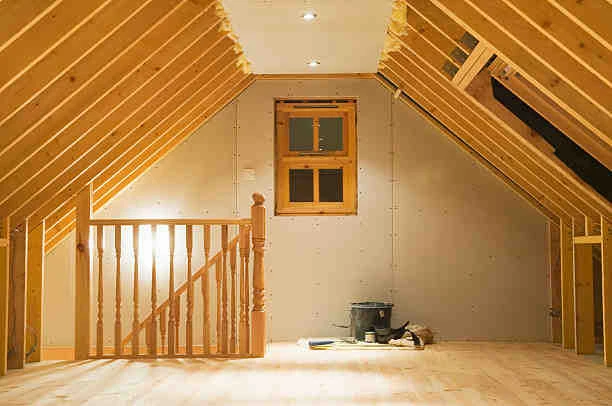
Traditional timber has been a staple in construction for centuries. However, the overharvesting of natural forests has put immense pressure on this resource. In response, construction professionals are turning to sustainable wood alternatives like engineered wood, bamboo, and reclaimed wood.
Engineered wood, such as laminated veneer lumber (LVL) and cross-laminated timber (CLT), provides impressive structural performance while using smaller, fast-growing trees, reducing environmental impact and cost. Bamboo, a rapidly renewable resource, is incredibly strong and resilient, making it a cost-effective, sustainable choice. Reclaimed wood not only adds character and uniqueness to a project but also reuses existing materials, reducing the need for new resources.
2. Recycled Materials
Another cost-effective approach to construction conversion involves using recycled materials. Many construction projects generate a significant amount of waste, but this waste can often be turned into a valuable resource.
Recycled concrete, for instance, can be used in place of traditional aggregates, helping to reduce waste and save costs. Steel made from recycled scrap is not only eco-friendly but can also be more affordable. Using recycled materials in construction not only saves money but also reduces the overall environmental footprint of the project.
3. Insulated Concrete Forms (ICFs)
Insulated Concrete Forms (ICFs) are gaining popularity in the construction industry as an energy-efficient and cost-effective alternative to traditional concrete block construction. ICFs are made from expanded polystyrene or other insulating materials and can be easily stacked to create a building"s structure.
These forms not only provide excellent insulation, reducing energy consumption and costs, but they also simplify construction, leading to quicker and more cost-effective projects. ICFs are a great example of how innovative materials can simultaneously save money and promote sustainability.
4. Green Roofing and Solar Tiles
The roof of a building is a critical component for both energy efficiency and cost-effectiveness. Green roofing, which involves planting vegetation on the roof, not only provides insulation but also extends the roof"s lifespan and reduces energy costs. It also contributes to better stormwater management, reducing the need for expensive drainage systems.
Solar tiles, on the other hand, are becoming more cost-effective and efficient. They not only generate clean energy but also serve as roofing material, reducing the overall cost of materials and labor. These solutions represent a dual approach to saving money and promoting sustainability.
5. 3D Printing
While 3D printing technology is still in its early stages in the construction industry, it shows immense promise in terms of cost-effectiveness and material efficiency. 3D printers can create entire structures with minimal waste and labor. They can use a variety of materials, including concrete and even recycled materials.
The cost savings from 3D printing are still being explored, but as the technology continues to develop, it"s likely to become a major player in the construction industry"s quest for cost-effective solutions.
Conclusion
The construction industry is evolving, with an increasing emphasis on sustainability and cost-effectiveness. As the demand for more affordable and eco-friendly building solutions grows, we can expect to see a continued shift towards innovative materials and technologies. Sustainable wood alternatives, recycled materials, insulated concrete forms, green roofing, solar tiles, and 3D printing are just a few examples of the many promising options that offer both cost savings and environmental benefits. These materials are not just a glimpse into the future of construction but a practical response to the challenges of today. As we embrace these alternatives, we can build a more sustainable and cost-effective future for the construction industry.

In the era of climate change and environmental consciousness, sustainable building practices have gained immense importance. One of the critical aspects of sustainable construction is the selection of...
When it comes to making our homes and buildings more energy-efficient, insulation materials play a crucial role. They help regulate indoor temperatures, reduce energy consumption, and lower heating an...

Smart building technologies have revolutionized the way we design, construct, and manage buildings. These technologies leverage the power of the Internet of Things (IoT) to enhance building ef...

Selecting the right flooring material is a crucial decision when it comes to interior design and construction projects. Flooring not only impacts the aesthetics of a space but also affects its functio...

Windows and doors are more than just functional components of a building; they are key architectural elements that can dramatically impact a structure"s aesthetics, energy efficiency, and overall appe...

Innovative structural materials have been at the forefront of modern construction, pushing the boundaries of what is possible in terms of strength, sustainability, and design. As the construction indu...
Sign up to start winning an unlimited amount of jobs near you.


 Electrician
Gas Engineer
Electrician
Gas Engineer


Send more enquiries and explore your options
Increasing the number of potentials leads for you!
Have more control and flexibility over your finances!