


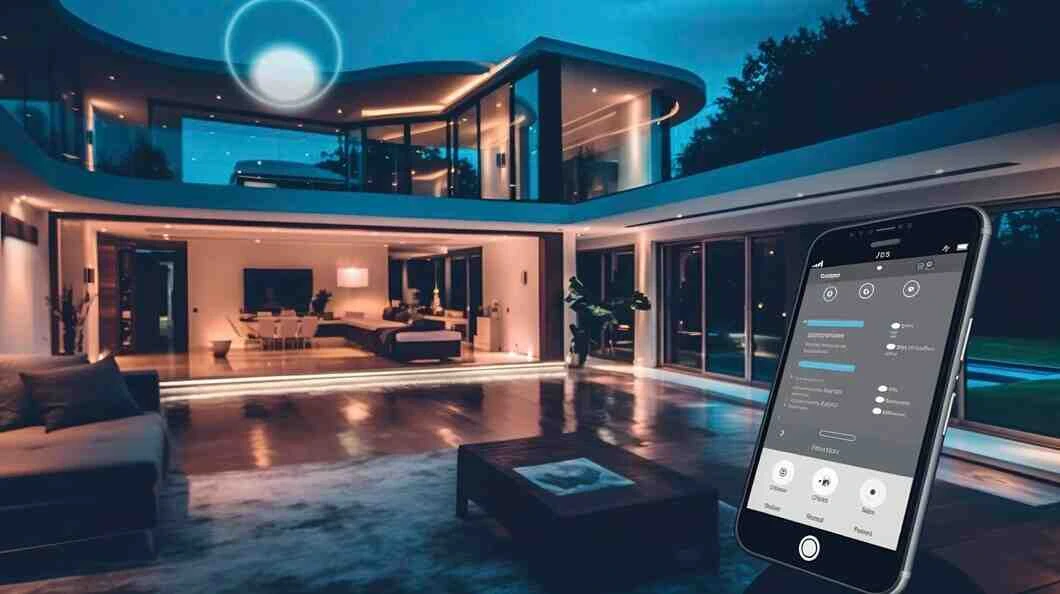
Understanding the Internet of Things (IoT)
Before we delve into the impact of IoT on architecture, let"s begin by understanding what IoT is. IoT refers to the network of interconnected devices and objects that communicate and exchange data over the internet. These devices can range from everyday items like thermostats, lighting, and appliances to more complex systems like security cameras and HVAC (heating, ventilation, and air conditioning) systems.
At the heart of IoT is the idea of collecting and analyzing data to enable intelligent decision-making and automation. In architecture, this means embedding sensors, actuators, and smart technology into buildings to create "smart buildings."
IoT and Smart Buildings: A Perfect Match
IoT and architecture are a perfect match because both are inherently concerned with improving the quality of life and the efficiency of spaces. Here"s how IoT is revolutionizing architecture:
1. Building Automation: IoT enables the automation of various building functions. Sensors can monitor occupancy, lighting levels, temperature, and air quality, and then adjust settings accordingly. For example, lights can automatically dim when a room is unoccupied, and heating or cooling can be optimized based on occupancy patterns.
2. Energy Efficiency: Smart buildings are energy-efficient buildings. By using IoT to monitor and control energy consumption, buildings can significantly reduce their carbon footprint. For instance, lighting and HVAC systems can adjust in real time to minimize energy usage while maintaining comfort.
3. Enhanced Security: IoT-based security systems provide real-time monitoring and alerts. Access control, surveillance cameras, and intrusion detection systems can be integrated into a single platform, enhancing security and providing peace of mind to occupants.
4. User Experience: IoT enhances the user experience in buildings. Smart systems can personalize lighting, climate control, and even access permissions for individual users. This level of customization creates more comfortable and user-friendly environments.
5. Maintenance and Monitoring: Building maintenance becomes proactive with IoT. Sensors can detect potential issues like water leaks, equipment malfunctions, or HVAC filter replacements. This preventive maintenance approach saves time and money while prolonging the life of building systems.
IoT in Action: Real-World Examples
To illustrate the transformative power of IoT in architecture, let"s explore a few real-world examples:
1. The Edge, Amsterdam: Often hailed as the world"s smartest building, Deloitte"s Amsterdam office, The Edge, utilizes IoT to create an ultra-efficient and user-centric workspace. Occupants can control lighting and temperature through a smartphone app, and sensors track occupancy, adjusting resources accordingly. The building even boasts a solar energy system that generates more power than it consumes.
2. Salesforce Tower, San Francisco: The Salesforce Tower showcases IoT"s role in urban architecture. It uses a building management system that integrates multiple technologies, including occupancy sensors, to optimize energy use and enhance the occupant experience.
3. Sberbank Technopark, Moscow: This Russian tech campus leverages IoT to create a seamless and secure environment. The building"s IoT infrastructure provides precise navigation for employees, allocates parking spaces, and manages meeting room bookings, improving daily workflows and efficiency.
Challenges and Considerations
While IoT promises significant benefits, it also presents challenges for architects and building managers:
1. Data Privacy and Security: As more data is collected and transmitted, ensuring the privacy and security of sensitive information becomes paramount. Robust cybersecurity measures are essential.
2. Interoperability: IoT devices from different manufacturers may use different protocols, making integration complex. Architects need to plan for interoperability to ensure a seamless user experience.
3. Scalability: As buildings become smarter, scalability is essential. The architecture must accommodate future technology upgrades and expansions.
4. Energy Consumption of IoT Devices: The energy requirements of IoT devices themselves should be considered to ensure that energy savings are not offset by increased device power usage.
Conclusion: Building a Connected Future
The Internet of Things is ushering in a new era of architecture, where buildings are not merely structures but intelligent, responsive ecosystems. IoT technology enhances energy efficiency, security, user experience, and maintenance, ultimately creating more sustainable and user-friendly environments.
As architects continue to embrace IoT, they must navigate challenges related to data security, interoperability, scalability, and device energy consumption. However, with careful planning and innovative design, the future of architecture is undoubtedly one where buildings and cities are more connected, efficient, and user-friendly than ever before.

The world of carpentry is buzzing with innovations, trends, and transformative technologies. For carpenters, keeping up with these changes isn"t just about staying ahead in the game; it"s about ensuri...

In an era where technology weaves through every facet of our lives, the carpentry profession is no exception to its transformative power. Welcome to "Carpentry Chronicles," a blog series dedicated to ...

Welcome to "Carpentry Chronicles," a blog series dedicated to navigating the ever-evolving landscape of carpentry. In this edition, we dive into a trend reshaping the carpentry domain—customizat...

In the bustling world of carpentry, safety isn"t just a precaution; it"s a fundamental necessity. Welcome to "Carpentry Chronicles," a blog series committed to navigating the ever-evolving landscape o...

In carpentry, where wood meets creativity, mastery is not just a goal; it"s a journey. Welcome to "Carpentry Chronicles," a blog series that peels back the layers of carpentry to reveal the artistry a...

In the ever-evolving design landscape, where trends come and go, one element stands timeless—wood. Welcome to "Carpentry Chronicles," a blog series committed to navigating the dynamic world of c...
Sign up to start winning an unlimited amount of jobs near you.


 Electrician
Gas Engineer
Electrician
Gas Engineer


Send more enquiries and explore your options
Increasing the number of potentials leads for you!
Have more control and flexibility over your finances!