

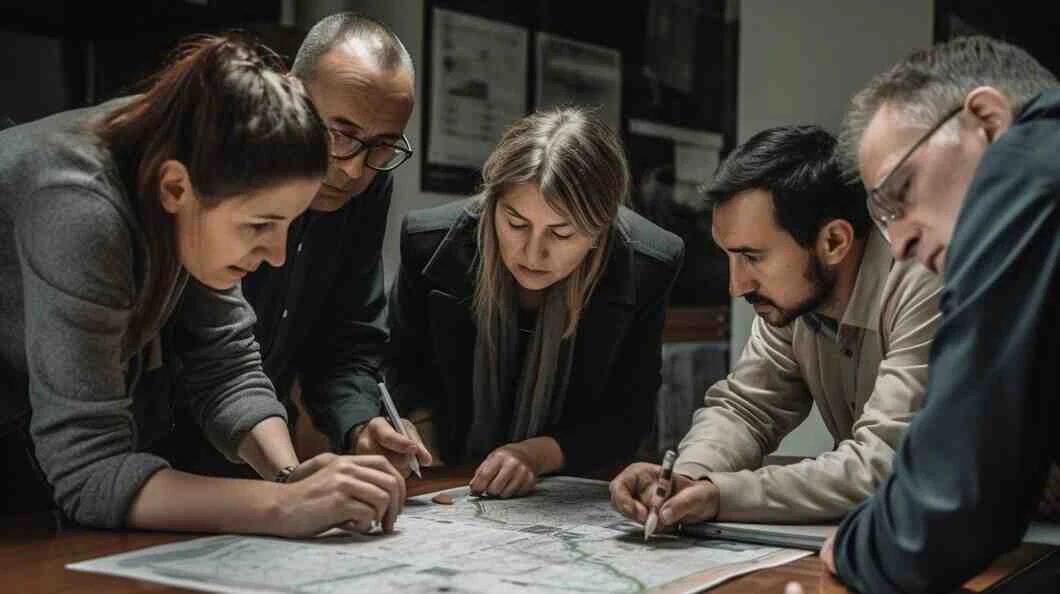
While adhering to accessibility standards and regulations is essential, true inclusivity goes beyond compliance. It is a commitment to designing spaces that embrace diversity and ensure that everyone can participate fully in the built environment.
Universal design is at the heart of accessibility and inclusivity. It focuses on creating spaces that are usable by people of all abilities, regardless of age, mobility, or other factors. It"s about removing barriers and providing equal opportunities.
Imagine a park that caters to everyone, including individuals with mobility challenges. This park features accessible pathways, sensory gardens, and inclusive play equipment designed to accommodate children with various disabilities. The result is a vibrant, welcoming space that fosters community engagement and enjoyment for all.
Inclusivity in education starts with the design of the school building itself. An inclusive school features accessible entrances, ramps, and elevators to ensure that students with mobility impairments can navigate the facility with ease. It also incorporates sensory-friendly classrooms, quiet spaces, and adaptive technology to support students with diverse needs.
Accessible housing communities are designed to provide comfortable and safe living spaces for individuals with disabilities. These communities offer adaptable apartments with wider doorways, roll-in showers, and grab bars. They also provide common areas designed for social interaction and inclusion.
Inclusive architectural projects create welcoming spaces that send a clear message: everyone is valued and welcome. This inclusivity fosters a sense of belonging and comfort among users, leading to higher levels of customer satisfaction.
Inclusivity addresses the diverse needs of a community or user group. When individuals see that their unique needs have been considered and accommodated, they feel understood and appreciated, resulting in increased satisfaction.
Inclusive spaces encourage social interaction and community building. They provide opportunities for people of all abilities to come together, share experiences, and forge connections. This sense of community enhances user satisfaction.
Accessible architectural projects remove physical barriers that hinder mobility and independence. This freedom of movement empowers individuals with disabilities and significantly improves their quality of life.
Accessible designs, such as ramps, wider doorways, and step-free entrances, enhance mobility not only for individuals with disabilities but also for parents with strollers, elderly individuals, and anyone with temporary injuries.
Inclusive spaces have a positive impact on mental well-being. They reduce stress and anxiety associated with navigating challenging environments, fostering a sense of ease and contentment among users.
In the world of architecture, the principles of accessibility and inclusivity are the foundation of a more equitable and compassionate society. Inclusive architectural projects go beyond aesthetics; they reflect a commitment to building spaces that empower, embrace, and enhance the lives of all individuals.
In conclusion, the power of accessibility and inclusivity in architecture cannot be overstated. These principles not only lead to customer satisfaction but also promote a more inclusive and empathetic society. Architects who champion inclusivity in their projects contribute to the betterment of communities and create spaces where every individual can thrive and participate fully in the world around them.
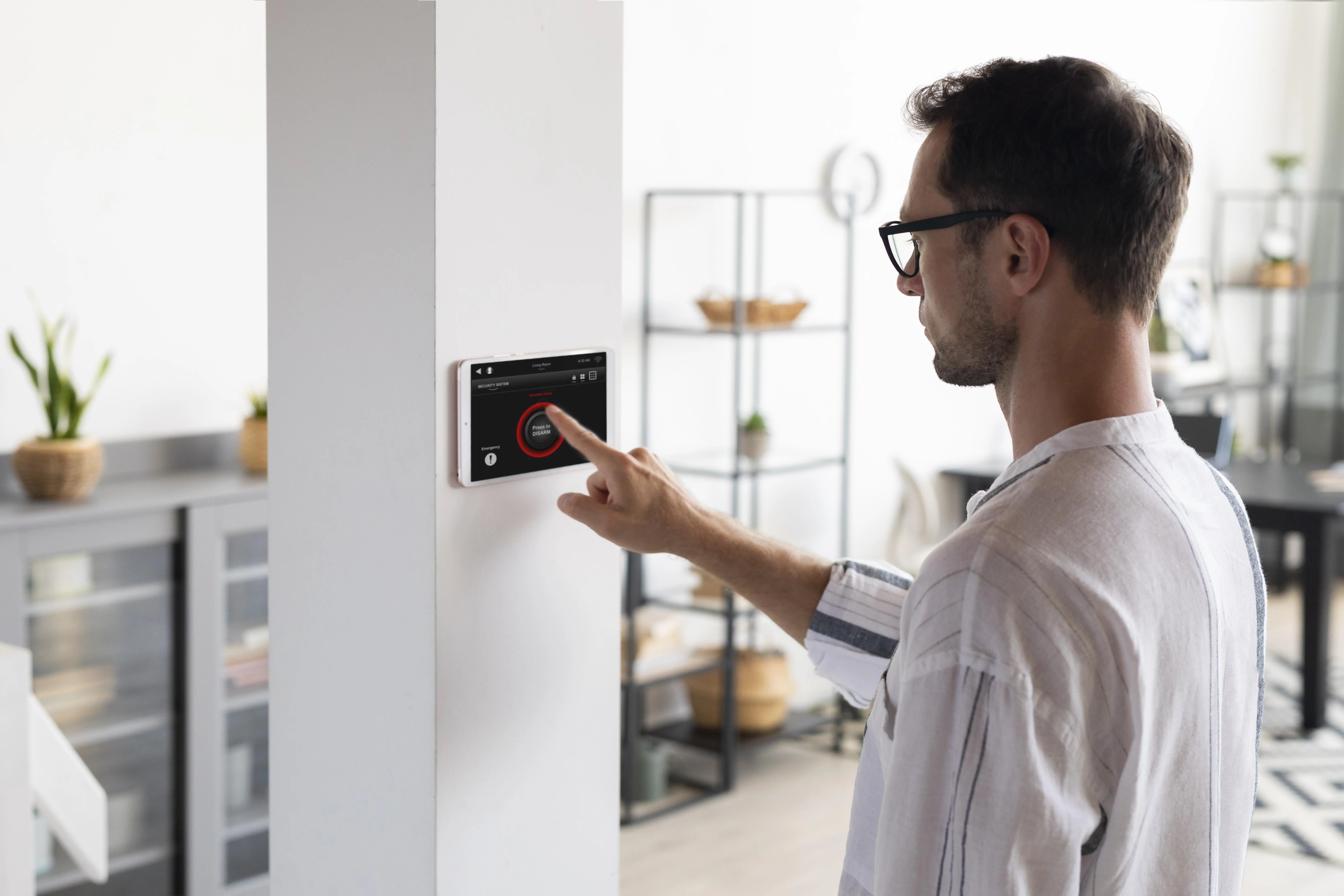
In recent years, smart home technology has become increasingly popular among homeowners. Smart home technology refers to the use of internet-connected devices and sensors to automate and control vario...

In carpentry, every piece crafted is a testament to skill, dedication, and the satisfaction of a delighted client. Welcome to "Whispers of Wood," a blog that echoes client experiences and testimonials...
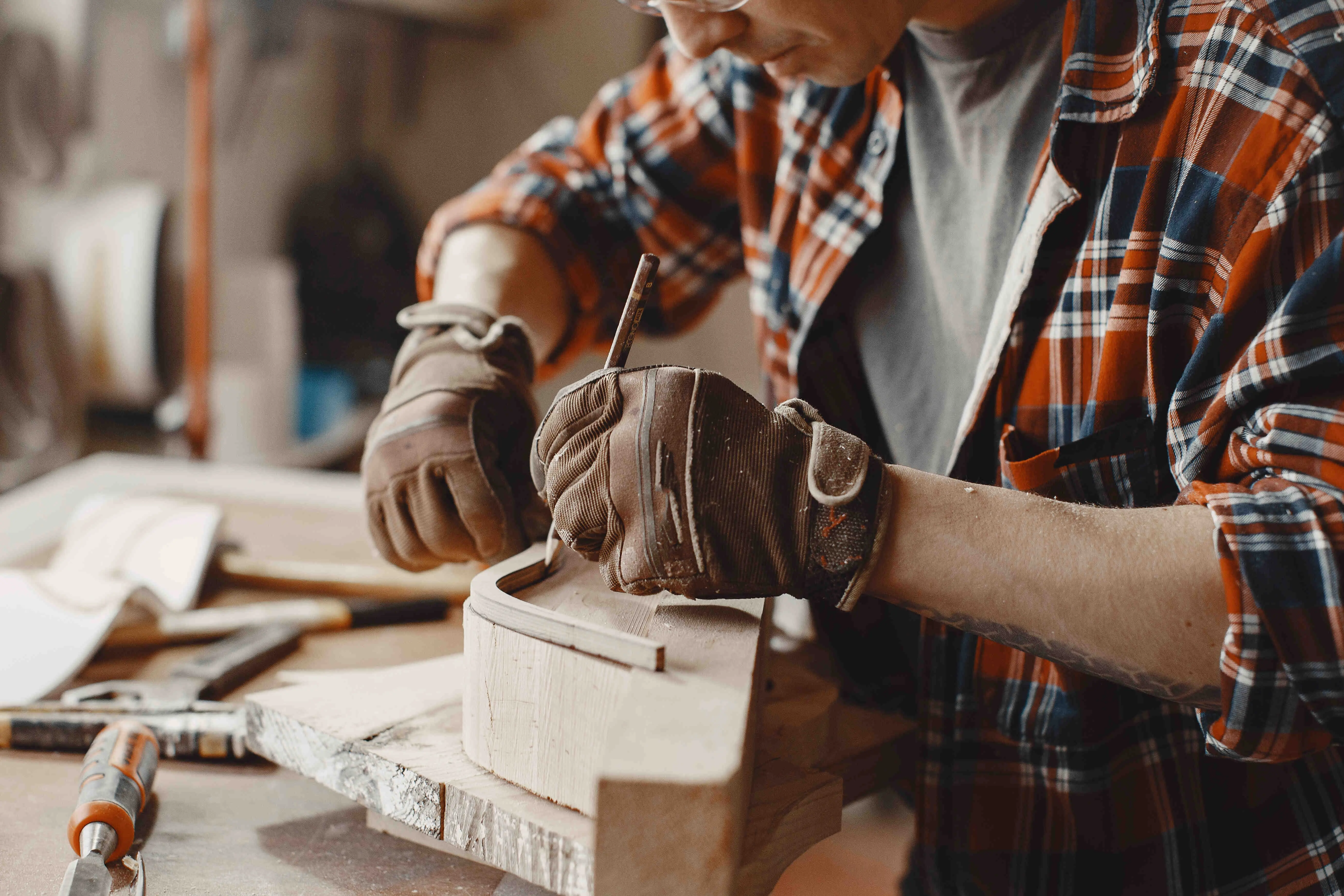
In carpentry, every stroke of the saw and every touch of the chisel holds the potential to transform more than just wood. It can transform a space, a home, and even a life. Welcome to "Craftsmanship C...
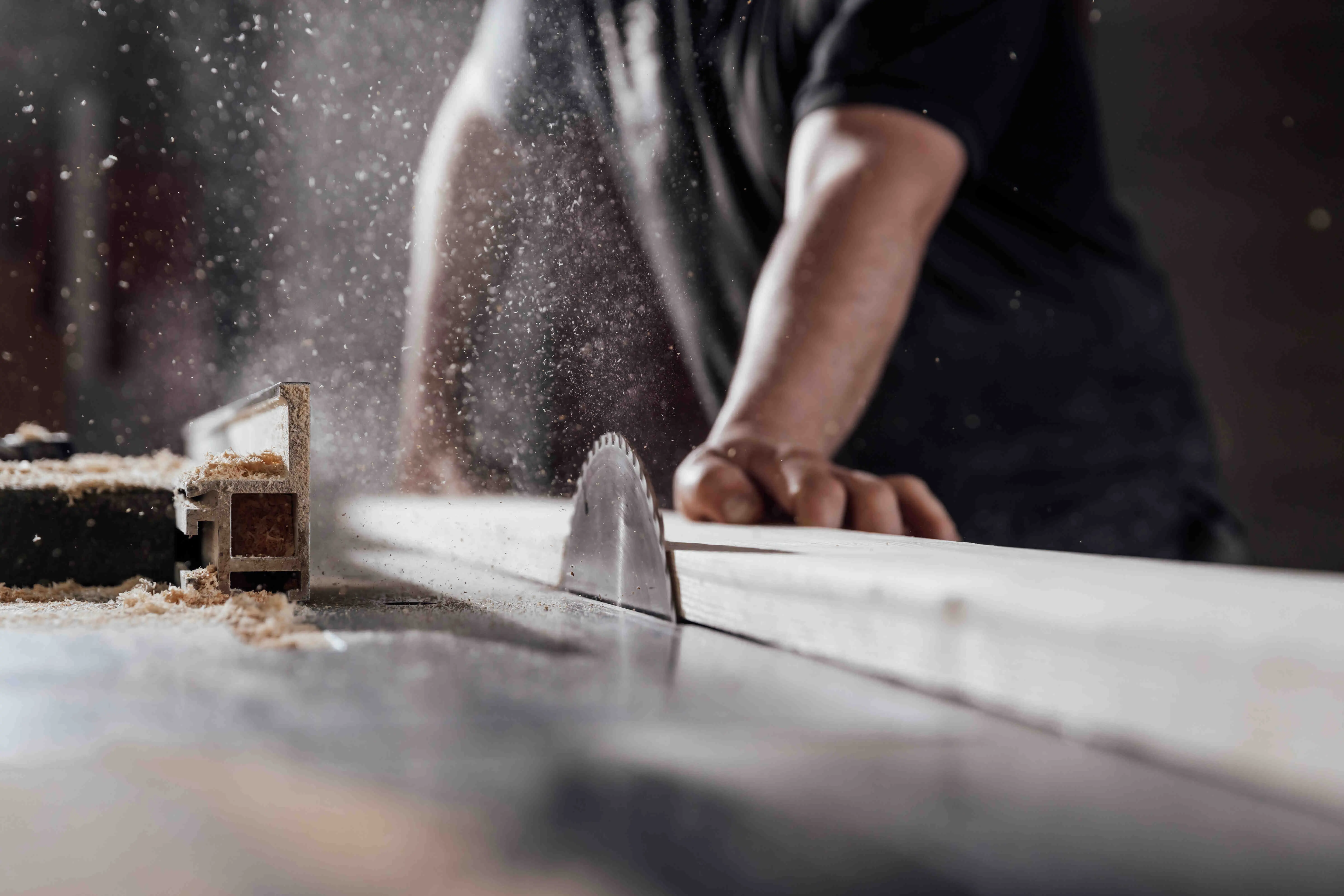
In the realm of carpentry, there exists a league of extraordinary artisans crafting not just furniture or structures but a legacy of excellence. Welcome to "Masters of Craft," a blog that offers a gli...
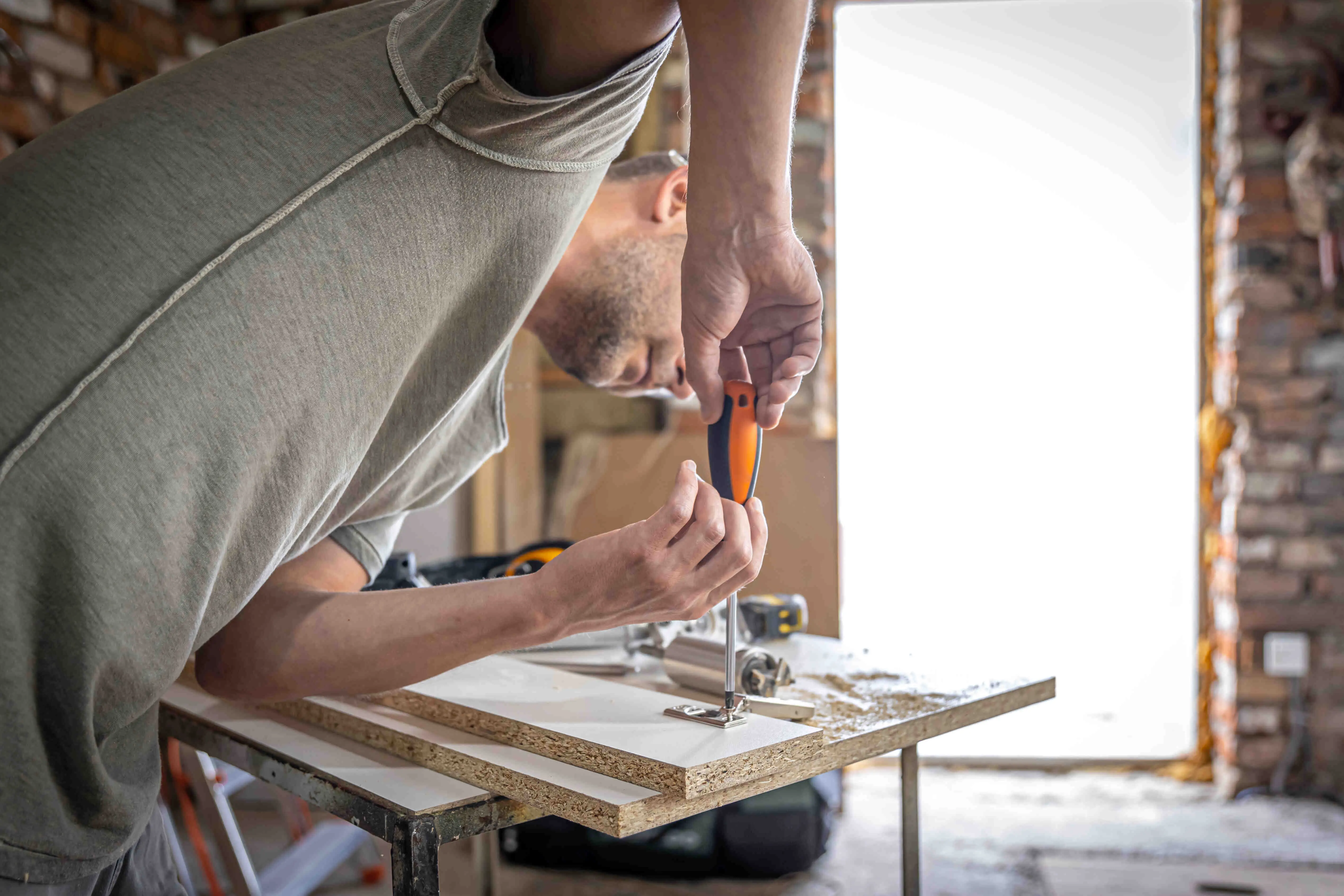
In the symphony of saws and the dance of chisels, there"s a new tune—a tune of sustainability. Welcome to "Sustainable Shavings," a blog exploring the green revolution within carpentry. Join us ...
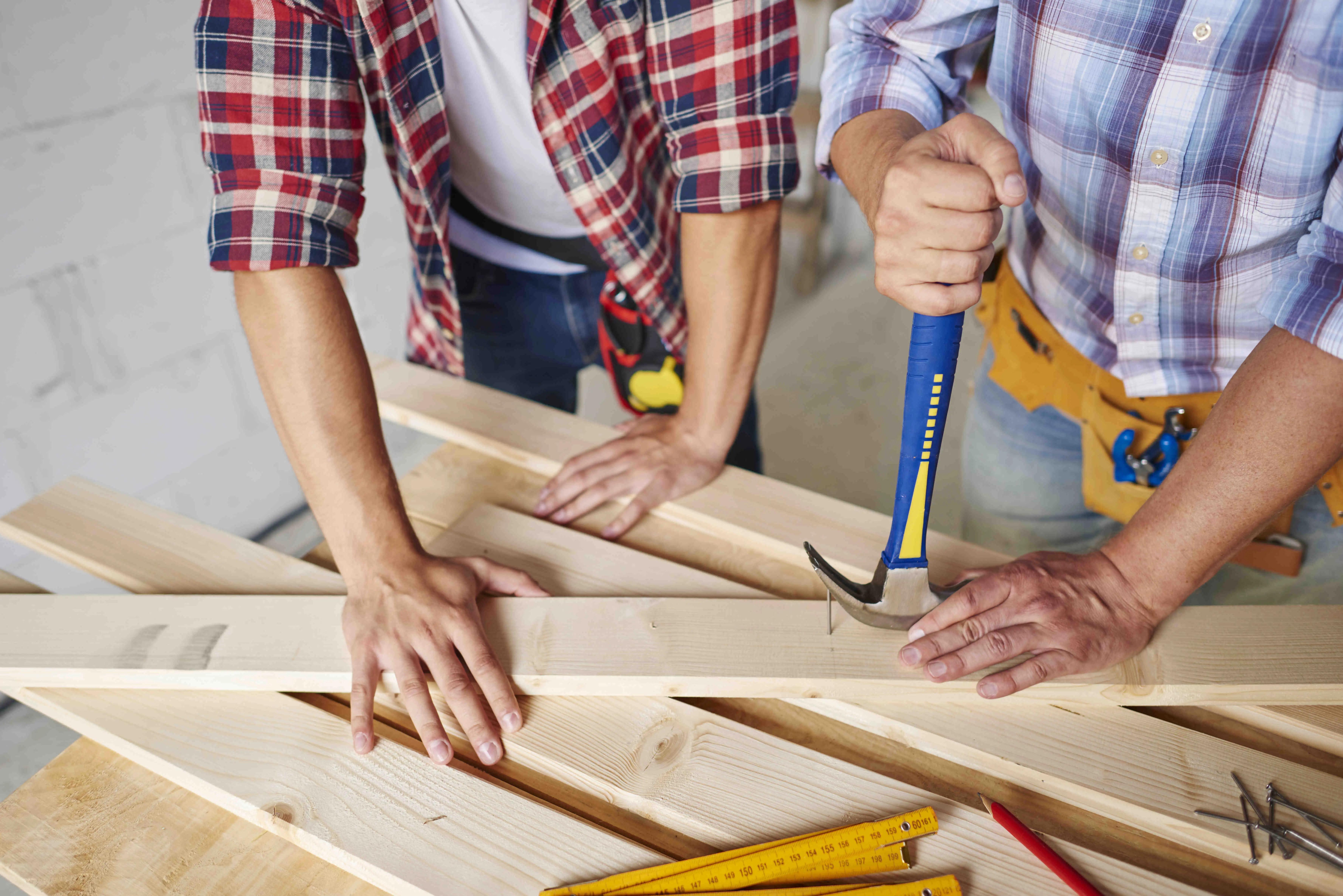
The sound of camaraderie is the sweetest melody in the workshop"s symphony. Welcome to "Crafting Connections," a blog that explores the beating heart of the carpentry profession—the sense of com...
Sign up to start winning an unlimited amount of jobs near you.


 Electrician
Gas Engineer
Electrician
Gas Engineer


Send more enquiries and explore your options
Increasing the number of potentials leads for you!
Have more control and flexibility over your finances!