


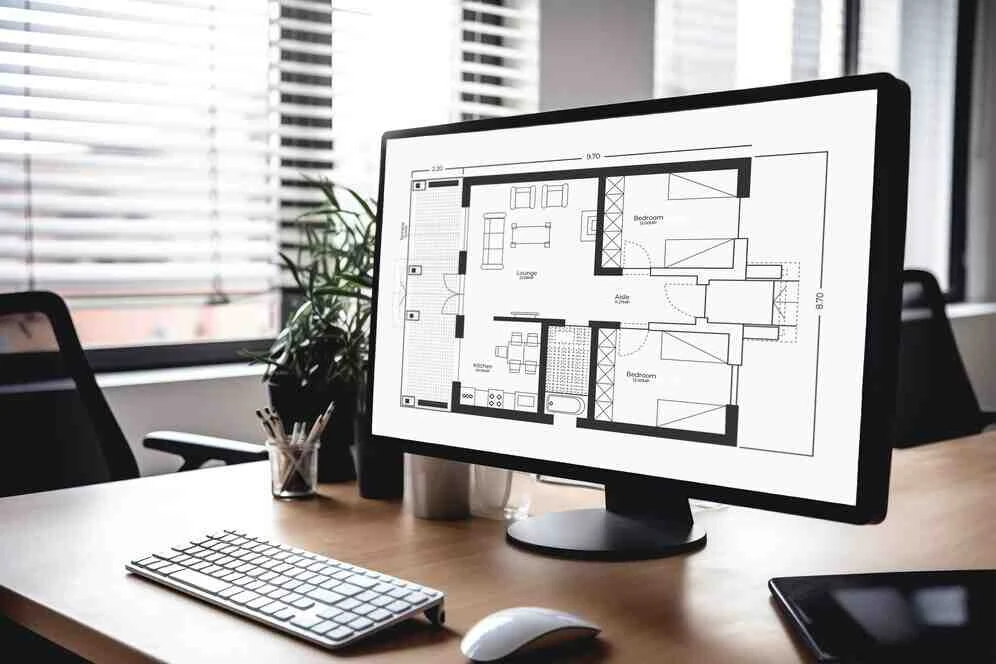
While aesthetics play a pivotal role in architecture, true excellence transcends beauty. Quality assurance in architecture focuses on the longevity, functionality, and structural integrity of a building. It"s about creating spaces that not only look stunning but also endure for generations.
Quality assurance is more than just a professional responsibility; it"s a promise to clients. When clients entrust architects with their visions and investments, they do so with the expectation of receiving a structure that exceeds their expectations and stands strong for years to come. Meeting this expectation builds trust.
Quality assurance begins long before the first brick is laid or the first nail is hammered. It commences in the preconstruction phase, where architects meticulously plan and design structures that prioritize durability and functionality. Materials are selected with an eye on quality, longevity, and sustainability.
Detailed construction plans are essential for quality assurance. These plans outline every aspect of the project, from structural elements to finishes. Architects work closely with contractors to ensure that the plans are faithfully executed.
Quality assurance extends to the materials used in construction. Architects collaborate with suppliers to source high-quality materials that meet or exceed industry standards. These materials contribute significantly to the long-term durability of a building.
Quality assurance is an ongoing process. Regular inspections and quality control measures are implemented to monitor construction progress and identify potential issues. This proactive approach allows for early detection and resolution of problems.
Architects ensure that construction adheres to industry standards and local building codes. Compliance with these standards not only guarantees safety but also contributes to the quality and longevity of the structure.
Collaboration between architects and contractors is crucial for quality assurance. Architects work closely with contractors to address any construction challenges, provide clarifications, and ensure that the design intent is realized.
Imagine a client, John, who sought to transform an outdated industrial building into a state-of-the-art office complex. The project had ambitious goals, including sustainability, energy efficiency, and longevity. John was not just looking for a beautiful space; he wanted a building that would be an enduring asset.
From the project"s inception, we embraced a philosophy of quality assurance. Every design decision, material choice, and construction detail was made with an eye on durability and longevity. We conducted regular inspections to ensure that construction met the highest standards.
Years passed, and John"s office complex continued to stand strong, with minimal maintenance required. Its energy-efficient features had reduced operational costs, and its sustainable design had a positive environmental impact. John was not only impressed but deeply satisfied with the longevity and quality of the building.
John shared his thoughts in a testimonial:
"I entrusted my vision to a team of architects who not only designed a stunning office complex but also ensured its durability and sustainability. Years later, the building continues to impress, with minimal wear and tear. The commitment to quality assurance has made this investment one of the best decisions I"ve ever made. Thank you for delivering a structure that stands the test of time."
Quality assurance ensures that buildings and renovations have a longer lifespan, reducing the need for premature repairs or replacements. This longevity translates into cost savings for clients.
Clients who experience the benefits of quality assurance firsthand are more likely to be satisfied with the results. Their trust in architects is reinforced, leading to positive testimonials and referrals.
Sustainable building practices often go hand in hand with quality assurance. Durable materials and well-constructed buildings have a reduced environmental impact over time, contributing to a more sustainable future.
Quality assurance in architecture is not just about meeting industry standards; it"s about exceeding them. It"s a commitment to clients, to the environment, and to the future. John"s testimonial is a testament to the transformative power of quality assurance. It"s a reminder that architects have the ability to shape not only spaces but also legacies.
In conclusion, quality assurance is the backbone of architectural excellence. It"s a promise to clients that their investments will stand the test of time, a commitment to delivering structures that endure for generations. The art of quality assurance is not just about building structures; it"s about building trust, satisfaction, and a better future for all. It"s the embodiment of integrity in architecture, and it"s the path to lasting greatness in the field.
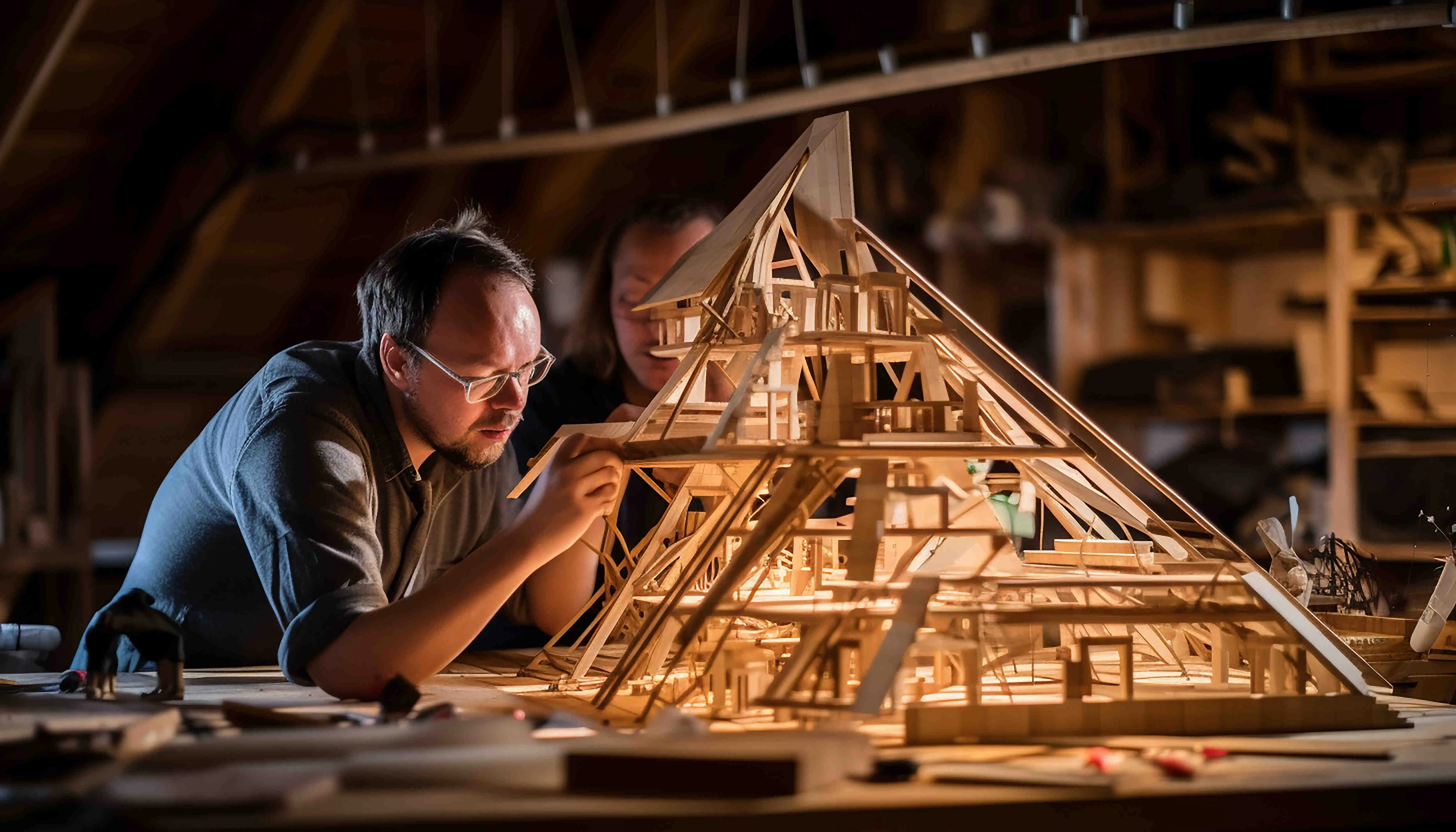
The world of carpentry is buzzing with innovations, trends, and transformative technologies. For carpenters, keeping up with these changes isn"t just about staying ahead in the game; it"s about ensuri...

In an era where technology weaves through every facet of our lives, the carpentry profession is no exception to its transformative power. Welcome to "Carpentry Chronicles," a blog series dedicated to ...

Welcome to "Carpentry Chronicles," a blog series dedicated to navigating the ever-evolving landscape of carpentry. In this edition, we dive into a trend reshaping the carpentry domain—customizat...

In the bustling world of carpentry, safety isn"t just a precaution; it"s a fundamental necessity. Welcome to "Carpentry Chronicles," a blog series committed to navigating the ever-evolving landscape o...

In carpentry, where wood meets creativity, mastery is not just a goal; it"s a journey. Welcome to "Carpentry Chronicles," a blog series that peels back the layers of carpentry to reveal the artistry a...
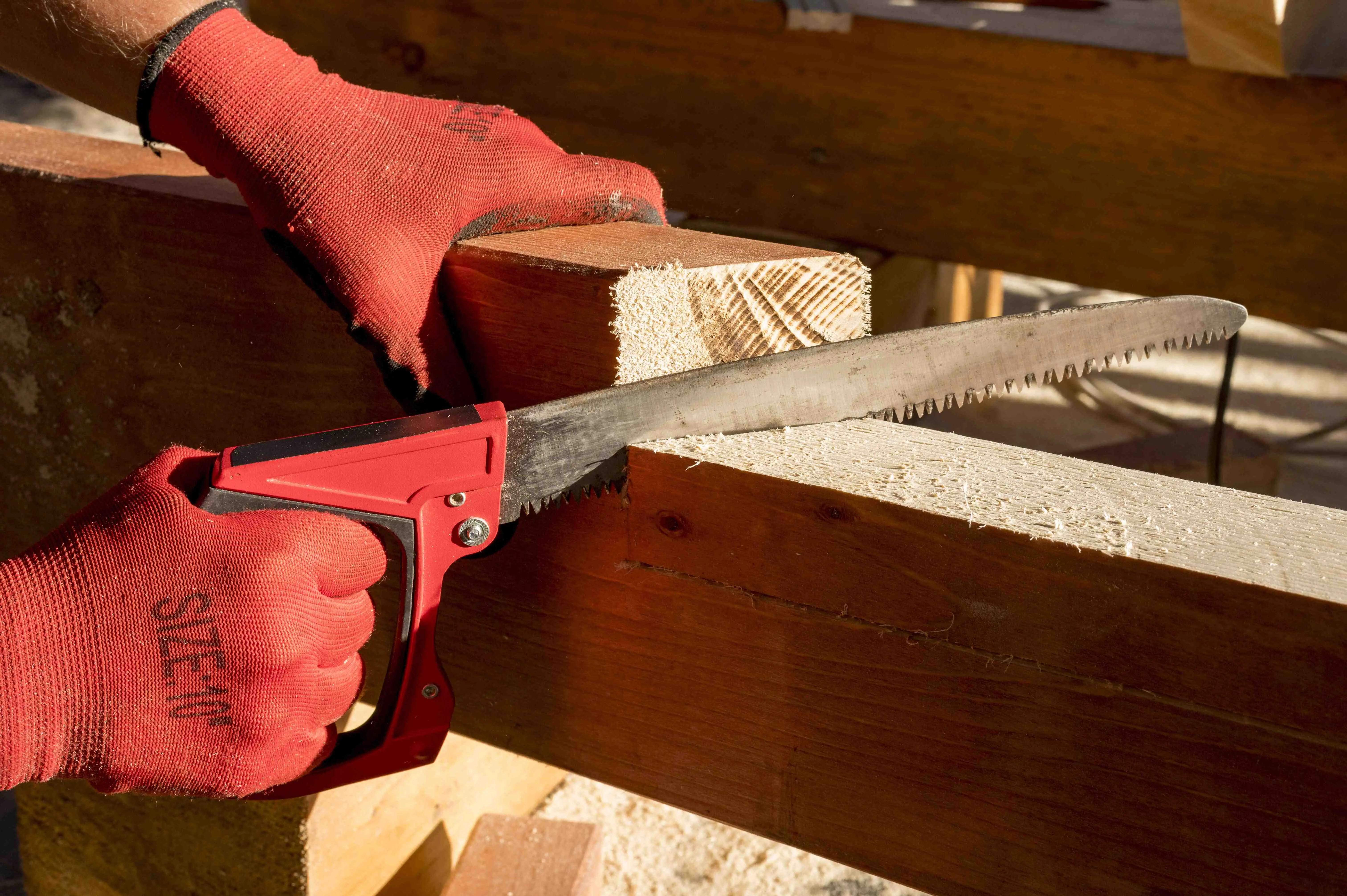
In the ever-evolving design landscape, where trends come and go, one element stands timeless—wood. Welcome to "Carpentry Chronicles," a blog series committed to navigating the dynamic world of c...
Sign up to start winning an unlimited amount of jobs near you.


 Electrician
Gas Engineer
Electrician
Gas Engineer


Send more enquiries and explore your options
Increasing the number of potentials leads for you!
Have more control and flexibility over your finances!