


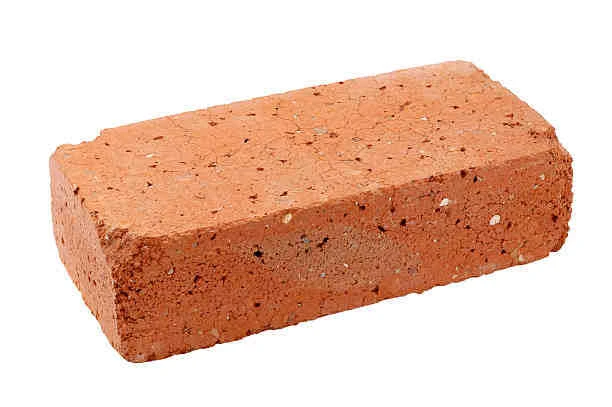
Brick Veneer Construction
Pros:
Cost-Efficient: Brick veneer construction is generally more cost-effective than solid brick construction. It requires fewer bricks and less labor, resulting in lower overall project costs.
Insulation Flexibility: Veneer walls allow for easier installation of insulation within the wall cavity, improving energy efficiency and thermal performance.
Weight Reduction: Brick veneer is lighter than solid brick construction, putting less structural load on the foundation and making it suitable for various soil types.
Design Versatility: Veneer walls can be combined with other building materials, such as timber or steel frames, allowing for diverse architectural designs.
Moisture Management: Veneer walls can include moisture barriers and weep holes, providing effective moisture management and reducing the risk of water damage.
Cons:
Not Load-Bearing: Brick veneer is not load-bearing, which means it relies on a separate structural framework for support. The inner wall provides the structural integrity.
Maintenance: Over time, the gap between the veneer and the inner wall may accumulate debris and require maintenance to prevent deterioration.
Aesthetic Limitations: Veneer walls may not have the same visual impact as solid brick walls, as the bricks may be thinner and less textured.
Solid Brick Construction
Pros:
Strength and Durability: Solid brick walls are exceptionally strong and durable, capable of bearing significant loads and withstanding adverse weather conditions.
Thermal Mass: The thickness of solid brick walls provides excellent thermal mass, helping to regulate indoor temperatures and reduce energy consumption.
Fire Resistance: Solid brick construction offers superior fire resistance, providing added safety for occupants.
Noise Insulation: Solid brick walls provide effective noise insulation, reducing sound transmission between rooms.
Cons:
Higher Cost: Solid brick construction tends to be more expensive due to the greater quantity of bricks and labor required.
Limited Insulation: Insulating solid brick walls can be more challenging and may require thicker walls or external insulation systems.
Structural Considerations: The weight of solid brick walls places higher demands on the foundation, potentially limiting design options in areas with weak soil.
Slower Construction: Solid brick construction typically takes longer to complete than brick veneer, leading to extended project timelines.
Conclusion
The choice between brick veneer and solid brick construction depends on your project"s specific requirements, budget, and design preferences. Brick veneer is cost-efficient and offers flexibility in insulation and design, making it suitable for many residential and commercial applications. On the other hand, solid brick construction excels in strength, durability, thermal mass, and fire resistance, making it an excellent choice for projects where these qualities are paramount.
Ultimately, whether you opt for brick veneer or solid brick construction, it"s essential to work with experienced professionals who can help you navigate the unique considerations of each method and ensure that your brickwork meets your project"s goals and standards.

In the era of climate change and environmental consciousness, sustainable building practices have gained immense importance. One of the critical aspects of sustainable construction is the selection of...

When it comes to making our homes and buildings more energy-efficient, insulation materials play a crucial role. They help regulate indoor temperatures, reduce energy consumption, and lower heating an...

Smart building technologies have revolutionized the way we design, construct, and manage buildings. These technologies leverage the power of the Internet of Things (IoT) to enhance building ef...
Selecting the right flooring material is a crucial decision when it comes to interior design and construction projects. Flooring not only impacts the aesthetics of a space but also affects its functio...

Windows and doors are more than just functional components of a building; they are key architectural elements that can dramatically impact a structure"s aesthetics, energy efficiency, and overall appe...

Innovative structural materials have been at the forefront of modern construction, pushing the boundaries of what is possible in terms of strength, sustainability, and design. As the construction indu...
Sign up to start winning an unlimited amount of jobs near you.


 Electrician
Gas Engineer
Electrician
Gas Engineer


Send more enquiries and explore your options
Increasing the number of potentials leads for you!
Have more control and flexibility over your finances!