


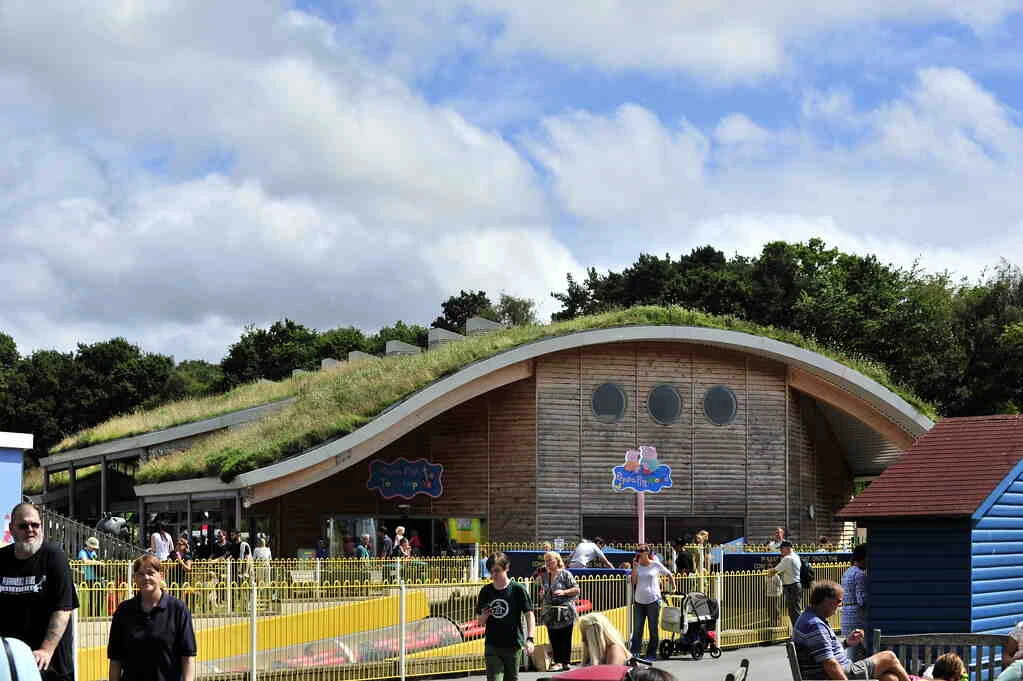
At its core, biophilic design is about bringing the essence of nature into human-made spaces. It recognizes that we are inherently drawn to the natural world and that our well-being is intricately linked to our environment. Biophilic design is more than just adding a few potted plants; it"s a holistic approach that encompasses various elements:
Introducing abundant natural light and fresh air into buildings can significantly improve the quality of indoor spaces. Large windows, skylights, and well-placed ventilation systems mimic the outdoors, fostering a sense of connection to the environment.
Detail: Designing windows strategically to maximize the entry of natural light at different times of the day not only brightens spaces but also reduces the need for artificial lighting, promoting energy efficiency. Additionally, creating cross-ventilation channels can facilitate the flow of fresh air, enhancing indoor air quality.
The inclusion of plants and living walls not only adds aesthetic beauty but also purifies the air and reduces stress. Greenery in interior and exterior spaces evokes a feeling of being surrounded by nature.
Detail: Selecting a variety of plant species with different textures and sizes can create a diverse and visually appealing green environment. Understanding the maintenance needs of these plants and providing adequate care ensures their longevity and vitality within the built space.
The use of natural materials such as wood, stone, and earth-toned finishes evokes a sense of warmth and authenticity. These materials create a tangible connection to the natural world.
Detail: Choosing sustainably sourced materials aligns with the principles of biophilic design. Utilizing reclaimed wood or locally sourced stone not only enhances the connection to nature but also reduces the carbon footprint of the project.
Biomimicry involves emulating nature"s forms, processes, and systems in architectural design. It can lead to innovative solutions that are both sustainable and aesthetically pleasing.
Detail: Biomimicry can extend to various aspects of design, such as the development of self-cooling building systems inspired by termite mounds or the creation of energy-efficient structures modeled after the principles of a tree"s branching system.
Incorporating water elements like fountains, ponds, or even indoor waterfalls can provide a soothing and contemplative aspect to a space. The sound of flowing water can have a calming effect.
Detail: The design of water features should consider not only aesthetics but also water conservation. Incorporating recirculating systems and natural filtration methods can reduce water consumption and maintenance requirements.
Designing spaces to offer views of nature, whether it"s a lush garden, serene lake, or majestic mountain range, can create a profound sense of connection and tranquility.
Detail: Ensuring that views are framed thoughtfully within the architectural layout can enhance the sense of discovery when one glimpses nature from different vantage points within a space. The careful placement of windows and architectural features can create captivating vistas.
The application of biophilic design principles yields a plethora of benefits that touch upon physical health, mental well-being, and overall quality of life:
Plants and natural ventilation systems enhance indoor air quality by removing pollutants and increasing oxygen levels. This contributes to respiratory health and overall vitality.
Detail: Selecting air-purifying plants known for their ability to filter out common indoor pollutants, such as snake plants or spider plants, can provide tangible air quality improvements.
Nature-inspired environments have been shown to reduce stress, anxiety, and mental fatigue. The presence of greenery and natural elements provides a sense of calm and relaxation.
Detail: Consider creating dedicated relaxation areas within built spaces where individuals can immerse themselves in greenery. These areas can include comfortable seating and sensory elements like aromatic plants.
Biophilic design can boost creativity and productivity. Spaces that incorporate natural elements often inspire innovation and problem-solving.
Detail: Integrating natural materials into workspaces, such as wooden desks or stone accent walls, can provide tactile and visual stimuli that stimulate creativity.
Studies have demonstrated that exposure to natural light and views of nature can enhance cognitive function and decision-making.
Detail: Daylight should be balanced to avoid glare and excessive heat gain. Automated shading systems or the use of diffusing materials can help control and optimize natural light.
Biophilic design fosters a deeper connection to the natural world, instilling a sense of awe, wonder, and stewardship for the environment.
Detail: Incorporating educational aspects into the design, such as informative signage about local ecosystems or sustainable features of the building, can further deepen this connection.
Architects and designers can employ several strategies to integrate biophilic design into their projects:
Conduct a thorough analysis of the site to understand its natural surroundings, climate, and local flora and fauna. This knowledge informs design decisions.
Detail: Engaging with local ecologists and naturalists can provide valuable insights into the specific ecosystem of the site and guide plant selection and layout choices.
Utilize biophilic design patterns, such as prospect and refuge, presence of water, and biomorphic forms, to guide the layout and aesthetics of spaces.
Detail: The incorporation of specific biophilic patterns should align with the intended function of a space. For example, a workspace may benefit from prospect (views of distant landscapes) to stimulate focus and creativity.
Create spaces that encourage interaction with nature, whether it"s through outdoor seating areas, walking paths, or rooftop gardens.
Detail: Thoughtful planning should go into the accessibility and usability of outdoor spaces. Consider providing comfortable seating, shelter from the elements, and amenities like bird feeders or butterfly gardens.
Incorporate educational aspects into the design, such as informative signage about local ecosystems or sustainable features of the building.
Detail: Interactive educational elements, such as touchscreen displays with information about local wildlife, can engage visitors and occupants, fostering a deeper understanding of the natural world.
Collaborate with experts in fields like botany, ecology, or environmental psychology to ensure that biophilic elements are well-integrated and effective.
Detail: Experts can offer guidance on plant selection, maintenance practices, and the creation of habitats that support local wildlife. Their input can enhance the ecological value of biophilic design.
Biophilic design is not just a design trend; it"s a way of reimagining the built environment to align with our fundamental human needs. As our world becomes increasingly urbanized and digitized, the principles of biophilic design offer a path to a healthier and more harmonious future.
By fostering a deeper connection between people and nature, biophilic design holds the potential to create spaces that not only enhance physical and mental well-being but also promote sustainability and a profound sense of belonging in the world. Architects and designers who embrace these principles are not only shaping spaces but also enriching lives and contributing to a more balanced and ecologically conscious world.

Introduction: In carpentry, time is money, and workflow is the pulse that keeps the business alive. Yet, many carpenters need help with a disjointed workflow, stifling efficiency and sapping the joy o...
.webp)
Introduction: Carpentry more than just a trade, is an art form. The journey to mastery involves constantly honing one"s skills, a voyage where every chisel stroke and nail-driven shapes not just ...

In the world of woodworking, every piece of timber tells a story - a tale of craftsmanship, dedication, and wisdom. For aspiring woodworkers and seasoned artisans alike, this blog is a collection of T...

In the world of woodworking, every piece crafted is a note in the symphony of a carpenter"s career. Yet, to compose a melodious tune, one must prioritize the conductor - their health and longevity. Th...

In carpentry, precision isn"t just about chiselling wood; it"s about chiselling a successful business. Financial stability and growth are the building blocks of a carpentry enterprise. Welcome to "Cra...

In the world of woodworking, creating something beautiful is not just an art—it"s a responsibility. A responsibility towards the craft, the client, and most importantly, the safety and well-bein...
Sign up to start winning an unlimited amount of jobs near you.


 Electrician
Gas Engineer
Electrician
Gas Engineer


Send more enquiries and explore your options
Increasing the number of potentials leads for you!
Have more control and flexibility over your finances!