


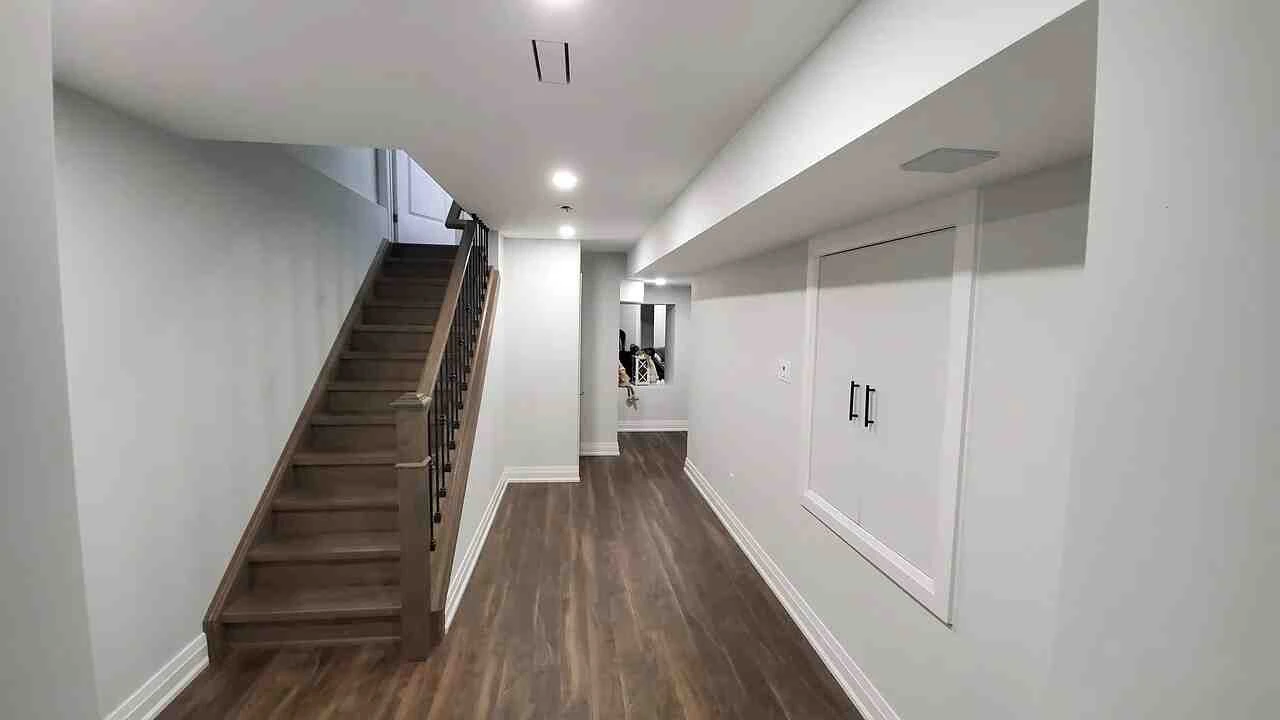
1. Assessing Your Basement"s Potential
Before you dive into the world of basement conversions, it"s essential to assess your basement"s potential. Start by considering the following aspects:
Ceiling Height: The height of your basement ceiling can determine how versatile your space can be. Typically, a ceiling height of at least 7 feet is ideal for creating habitable rooms.
Moisture Control: Basements are notorious for being damp, so ensuring proper moisture control through waterproofing and drainage systems is crucial.
Permits and Regulations: Check with your local authorities about building permits and regulations for basement conversions.
Utility Connections: Consider the proximity of plumbing, electrical, and HVAC systems. Their accessibility can impact the cost and complexity of your conversion.
2. Selecting a Purpose for Your Basement
Once you"ve assessed your basement"s potential, you"ll need to decide on its primary purpose. Here are some popular options:
Entertainment Room: Create a cozy home theater or a game room for entertaining guests.
Home Office: In the age of remote work, a basement office can be a productive, quiet haven.
Guest Suite: Design a comfortable space for guests to stay, complete with a bedroom and bathroom.
Rental Apartment: Convert your basement into a separate, income-generating rental apartment.
Fitness Center: A basement can make an excellent gym or yoga studio, providing privacy for your workouts.
3. Maximizing Natural Light
Basements often suffer from a lack of natural light. To make your underground space feel more inviting, consider these solutions:
Egress Windows: Installing egress windows can bring in natural light and provide an emergency exit.
Light Paint Colors: Light-colored walls and ceilings can reflect more light, making the space feel brighter.
Mirrors: Strategically placed mirrors can create the illusion of more light and space.
Glass Doors: If applicable, consider glass doors that allow light to flow from other areas of the house.
4. Flooring and Finishes
Choosing the right flooring and finishes can significantly impact the look and feel of your basement conversion. Here are some options to consider:
Durable Flooring: Given the potential for moisture, it"s wise to choose waterproof or water-resistant flooring materials like vinyl, tile, or engineered hardwood.
Warmth and Coziness: Area rugs and carpets can add warmth and comfort to the space, making it more inviting.
Soundproofing: If you"re creating an entertainment room or home office, consider soundproofing materials to minimize noise transfer.
Wall Treatments: Bright and reflective finishes on the walls can make the space feel larger. Consider adding texture or accent walls for a stylish touch.
5. Creating Storage Solutions
One of the most important aspects of basement conversion design is finding efficient storage solutions. Utilizing every inch of space is essential, especially in smaller basements. Consider built-in shelving, under-stair storage, and multifunctional furniture.
6. Plumbing and Electrical Considerations
If your basement conversion involves adding a bathroom, kitchenette, or laundry room, you"ll need to plan for plumbing and electrical work. It"s crucial to work with a professional to ensure these systems are installed safely and efficiently.
7. Ventilation and Climate Control
Basements can become stuffy and uncomfortable without proper ventilation and climate control. Installing a good HVAC system and ventilation will help maintain a comfortable environment.
8. Lighting Design
Strategic lighting design can make a huge difference in your basement"s ambiance. A combination of overhead lighting, task lighting, and accent lighting can create a welcoming atmosphere.
9. Safety Features
Finally, safety is paramount. Install smoke detectors, carbon monoxide detectors, and ensure proper exit routes in case of emergencies.
10. The Finishing Touches
Don"t forget the finishing touches. Personalize your basement with artwork, decor, and furnishings that reflect your style and create a warm, inviting space.
Conclusion
Basement conversion design is a creative process that allows you to unlock the full potential of your home. With the right planning, thoughtful design, and attention to detail, your basement can become a versatile and valuable part of your living space. Whether you"re creating a cozy family room, a rental apartment, a home office, or a space for entertaining, the possibilities are endless. So, take the plunge and transform your basement into a space you"ll love and enjoy for years to come.

Introduction: In carpentry, time is money, and workflow is the pulse that keeps the business alive. Yet, many carpenters need help with a disjointed workflow, stifling efficiency and sapping the joy o...
.webp)
Introduction: Carpentry more than just a trade, is an art form. The journey to mastery involves constantly honing one"s skills, a voyage where every chisel stroke and nail-driven shapes not just ...

In the world of woodworking, every piece of timber tells a story - a tale of craftsmanship, dedication, and wisdom. For aspiring woodworkers and seasoned artisans alike, this blog is a collection of T...

In the world of woodworking, every piece crafted is a note in the symphony of a carpenter"s career. Yet, to compose a melodious tune, one must prioritize the conductor - their health and longevity. Th...
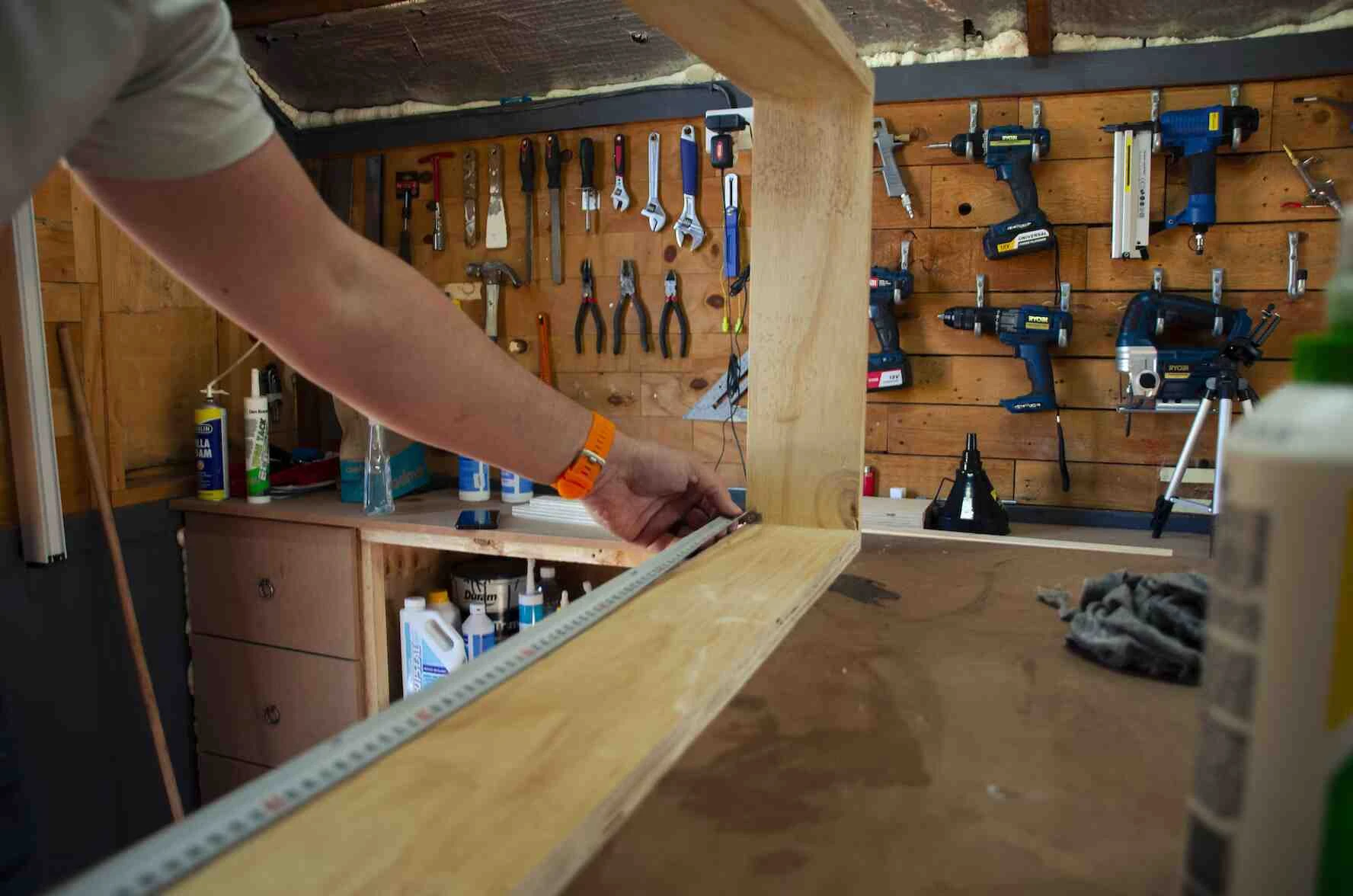
In carpentry, precision isn"t just about chiselling wood; it"s about chiselling a successful business. Financial stability and growth are the building blocks of a carpentry enterprise. Welcome to "Cra...

In the world of woodworking, creating something beautiful is not just an art—it"s a responsibility. A responsibility towards the craft, the client, and most importantly, the safety and well-bein...
Sign up to start winning an unlimited amount of jobs near you.


 Electrician
Gas Engineer
Electrician
Gas Engineer


Send more enquiries and explore your options
Increasing the number of potentials leads for you!
Have more control and flexibility over your finances!