

Understanding Your Heating System
Before we dive into the nitty-gritty of balancing heat distribution, it"s essential to have a good grasp of how your heating system works. Whether you have a forced-air system, radiant heating, or a combination of both, understanding the fundamentals is crucial.
1.1 Forced-Air Systems
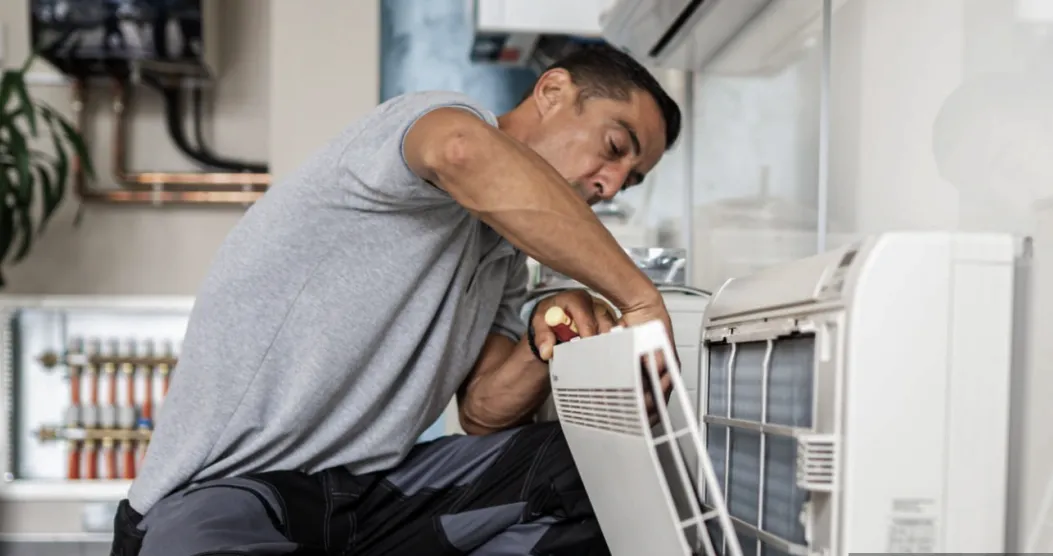
Forced-air systems are one of the most common heating systems in residential properties. These systems use a furnace or heat pump to generate warm air, which is then distributed throughout your home via a network of ducts and vents. Understanding how your ductwork functions and how to optimize it is key to achieving balanced heat distribution.
1.2 Radiant Heating
Radiant heating systems, on the other hand, work by directly heating the floors, walls, or ceilings of a room. This heat then radiates outward, warming the objects and people in the space. While radiant heating is known for its comfort and efficiency, it also requires specific strategies for achieving even heat distribution.
Identifying Common Heat Distribution Problems
Now that you understand the basics of your heating system, it"s time to identify common problems that can lead to uneven heat distribution. Recognizing these issues is the first step toward finding effective solutions:
2.1 Poor Insulation
Insufficient insulation in your home can result in heat loss through walls, windows, and ceilings. This not only makes your home colder but also forces your heating system to work harder, increasing energy consumption.
2.2 Blocked or Leaky Ducts
In forced-air systems, ducts play a vital role in distributing heated air. Blocked or leaky ducts can lead to significant heat loss and uneven distribution. Regular duct maintenance is essential to keep your system running efficiently.
2.3 Improper Thermostat Placement
The location of your thermostat can influence how your heating system operates. Placing it near drafts, windows, or heat sources can result in inaccurate temperature readings, causing your system to overheat or underheat your home.
2.4 Uneven Insulation
Rooms with different levels of insulation will naturally experience varying temperatures. Understanding these differences is essential when striving for balanced heat distribution.
Strategies for Balancing Heat Distribution
Now that you"ve identified potential problems, it"s time to explore strategies to achieve balanced heat distribution in your home:
3.1 Zone Heating
Zone heating involves dividing your home into different heating zones, each with its thermostat. This allows you to customize the temperature in each area, providing comfort where you need it most while reducing energy consumption in less frequently used spaces.
3.2 Ceiling Fans
Ceiling fans can be a cost-effective solution for promoting even heat distribution. By reversing the direction of your ceiling fan blades, you can push warm air down from the ceiling during the winter, ensuring it circulates evenly throughout the room.
3.3 Proper Insulation
Upgrading your home"s insulation is one of the most effective ways to balance heat distribution and reduce energy waste. Proper insulation helps retain heat within your living spaces and prevents drafts that can make your home feel colder.
3.4 Radiator and Vent Adjustments
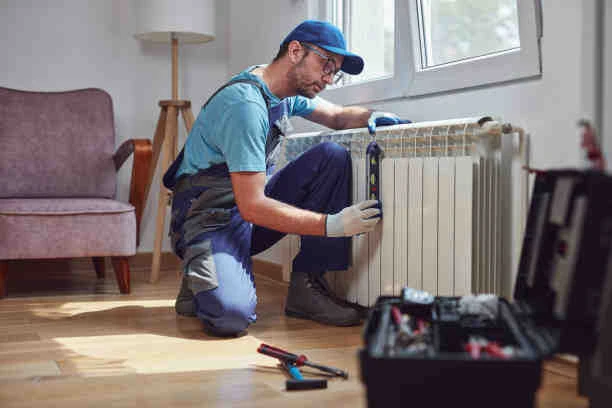
For homes with radiators or floor vents, adjusting the airflow can help balance heat distribution. Ensure that furniture or drapes do not obstruct these heat sources, allowing them to effectively warm the room.
3.5 Smart Thermostats
Investing in a smart thermostat allows you to control your heating system remotely and set customized schedules for different areas of your home. These devices can optimize temperature control and save you money in the long run.
Regular Maintenance and Upkeep
Balancing heat distribution isn"t a one-time fix; it"s an ongoing process that requires regular maintenance. Here are some maintenance tasks you should prioritize:
4.1 Cleaning and Inspecting Ductwork
Regularly clean and inspect your ductwork for dust, debris, and leaks. Clean ducts facilitate better airflow and prevent heat loss.
4.2 Furnace and Boiler Maintenance
Schedule annual maintenance for your heating equipment to ensure it operates efficiently and evenly distributes heat.
4.3 Weatherstripping and Sealing
Use weatherstripping and sealing materials to plug gaps and leaks in windows and doors, preventing heat from escaping and cold air from entering.
Conclusion
Balancing heat distribution in your home is not only about comfort but also about optimizing energy efficiency and reducing heating costs. By understanding your heating system, identifying common problems, and implementing the right strategies, you can create a warm and cozy living space that"s both comfortable and cost-effective. Remember, regular maintenance is key to ensuring that your heating system continues to perform at its best, keeping you warm and cozy throughout the colder months.
Introduction: In carpentry, time is money, and workflow is the pulse that keeps the business alive. Yet, many carpenters need help with a disjointed workflow, stifling efficiency and sapping the joy o...
.webp)
Introduction: Carpentry more than just a trade, is an art form. The journey to mastery involves constantly honing one"s skills, a voyage where every chisel stroke and nail-driven shapes not just ...
In the world of woodworking, every piece of timber tells a story - a tale of craftsmanship, dedication, and wisdom. For aspiring woodworkers and seasoned artisans alike, this blog is a collection of T...
In the world of woodworking, every piece crafted is a note in the symphony of a carpenter"s career. Yet, to compose a melodious tune, one must prioritize the conductor - their health and longevity. Th...
In carpentry, precision isn"t just about chiselling wood; it"s about chiselling a successful business. Financial stability and growth are the building blocks of a carpentry enterprise. Welcome to "Cra...

In the world of woodworking, creating something beautiful is not just an art—it"s a responsibility. A responsibility towards the craft, the client, and most importantly, the safety and well-bein...
Sign up to start winning an unlimited amount of jobs near you.


 Electrician
Gas Engineer
Electrician
Gas Engineer


Send more enquiries and explore your options
Increasing the number of potentials leads for you!
Have more control and flexibility over your finances!