


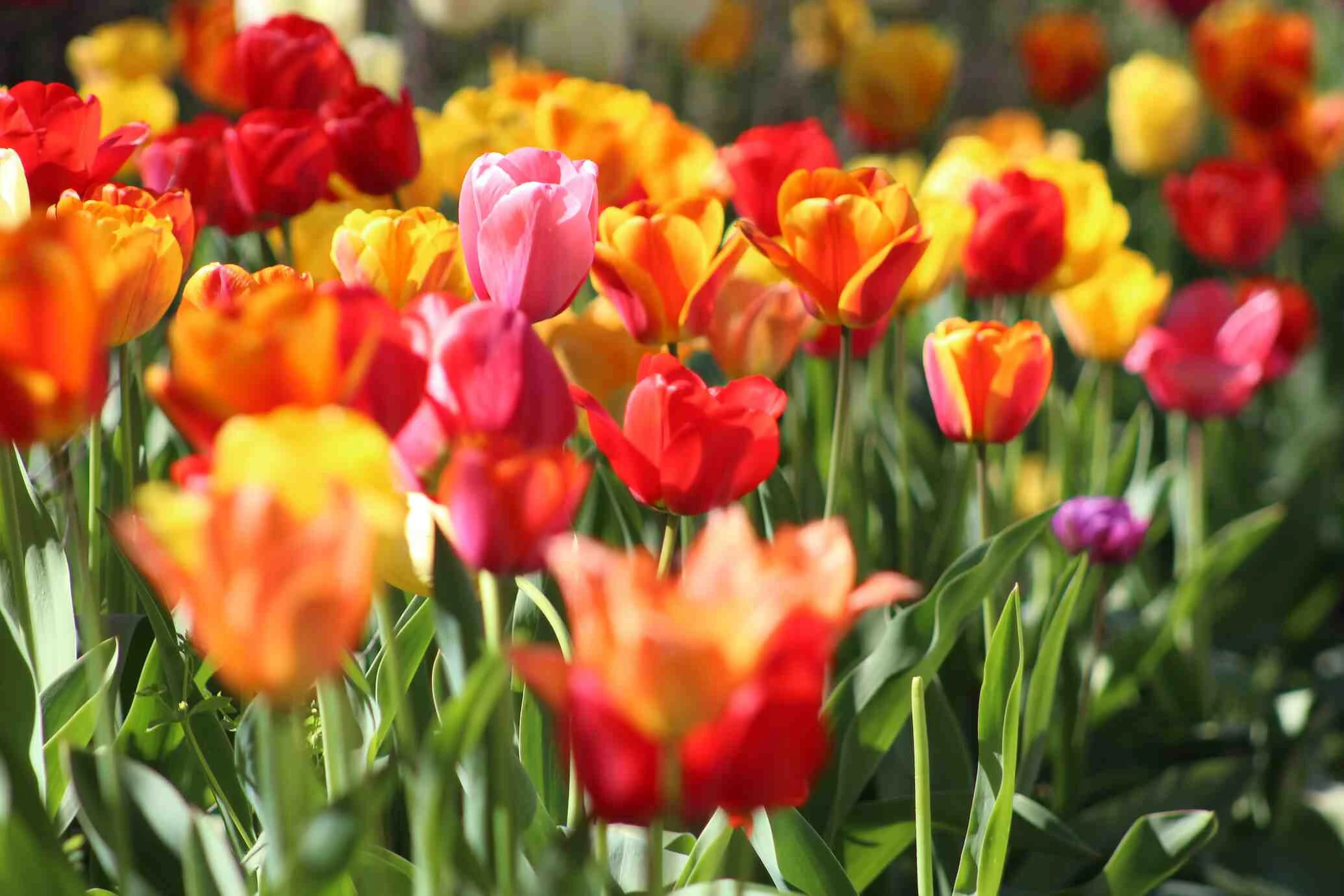
The Role of Color in Garden Design
Color is a powerful tool that can evoke emotions and set the tone for your garden. Here"s how it plays a significant role in garden design:
1. Mood and Atmosphere: Colors can create various moods in your garden, from the vibrant and energizing to the serene and calming.
2. Visual Impact: Color combinations can emphasize certain elements or create focal points within your garden.
3. Seasonal Transitions: Thoughtfully chosen colors can ensure your garden looks appealing throughout the year, even as plants and flowers go through their natural cycles.
4. Style and Theme: Color schemes can help you define a specific garden style or theme, from traditional and romantic to modern and minimalist.
Assessing Garden Color Schemes
1. Start with a Color Wheel
The color wheel is a valuable tool for understanding color relationships. It"s divided into primary (red, blue, yellow), secondary (green, orange, purple), and tertiary colors (the mix of primary and secondary). You can use the color wheel to choose complementary, analogous, or contrasting colors for your garden.
- Complementary Colors: Colors opposite each other on the wheel, like red and green, create strong contrast and visual interest.
- Analogous Colors: Colors adjacent to each other, like blue and purple, create a harmonious and soothing effect.
- Contrasting Colors: Colors that are neither complementary nor analogous can be used to create visual excitement and drama.
2. Consider the Color Temperature
Colors can be categorized into warm (reds, oranges, yellows) and cool (blues, greens, purples). Warm colors tend to energize and create a sense of coziness, while cool colors evoke calm and relaxation. Think about the mood you want to establish in your garden when selecting warm or cool colors.
3. Reflect on Color Psychology
Color psychology is the study of how colors influence human emotions and behavior. For example:
- Blue and green are often associated with tranquility and relaxation.
- Red and yellow can be stimulating and energetic.
- Neutral colors like white and gray provide a sense of balance and simplicity.
Consider how these emotions align with your garden"s intended purpose, whether it"s a serene retreat or an energetic play area.
Assessing Garden Styles
1. Classic and Traditional Gardens
Classic gardens often feature a soft, pastel color palette. Think of delicate pinks, whites, and light blues. Elements like topiary and formal symmetry are commonly found in these gardens.
2. Cottage and English Gardens
Cottage-style gardens are known for their riotous colors. These gardens feature an array of vibrant blooms in a wide variety of shades, creating a casual and charming atmosphere.
3. Modern and Minimalist Gardens
Modern gardens tend to favor neutral color palettes, focusing on clean lines and architectural plants. Whites, blacks, and grays are commonly used, with occasional pops of bold colors for contrast.
4. Mediterranean Gardens
Mediterranean gardens draw inspiration from the landscapes of Southern Europe and North Africa. Terracotta, warm yellows, and deep blues are common colors, creating a rustic and inviting ambiance.
5. Asian and Zen Gardens
Zen gardens are characterized by simplicity and minimalism. Colors are often subdued, with an emphasis on neutrals like beige, white, and gray, creating a sense of tranquility.
Conclusion
Assessing garden color schemes and styles is a crucial part of garden design. By understanding the principles of color theory, considering the emotional impact of colors, and aligning your choices with the style or theme you want to convey, you can create a garden that resonates with your personal aesthetic and provides the desired atmosphere. Your garden is your canvas, and the colors you choose will paint a beautiful outdoor masterpiece.

In the era of climate change and environmental consciousness, sustainable building practices have gained immense importance. One of the critical aspects of sustainable construction is the selection of...
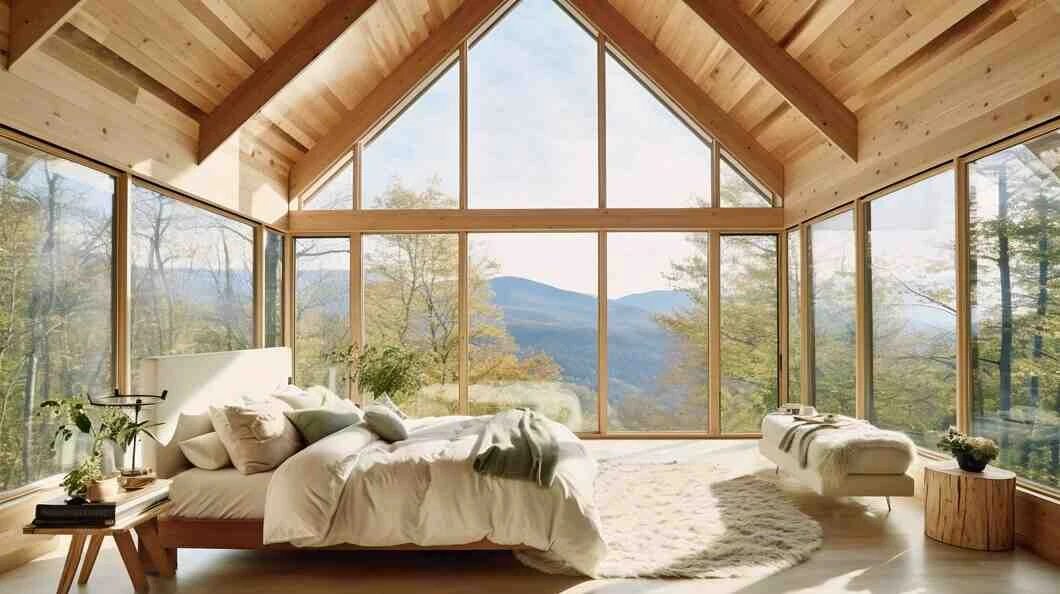
When it comes to making our homes and buildings more energy-efficient, insulation materials play a crucial role. They help regulate indoor temperatures, reduce energy consumption, and lower heating an...

Smart building technologies have revolutionized the way we design, construct, and manage buildings. These technologies leverage the power of the Internet of Things (IoT) to enhance building ef...
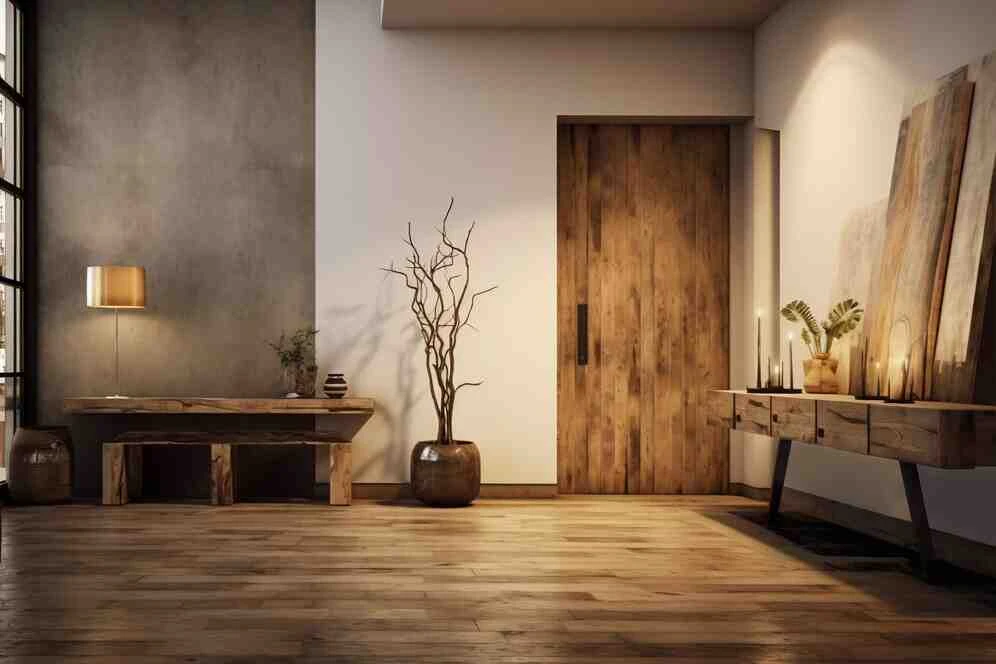
Selecting the right flooring material is a crucial decision when it comes to interior design and construction projects. Flooring not only impacts the aesthetics of a space but also affects its functio...
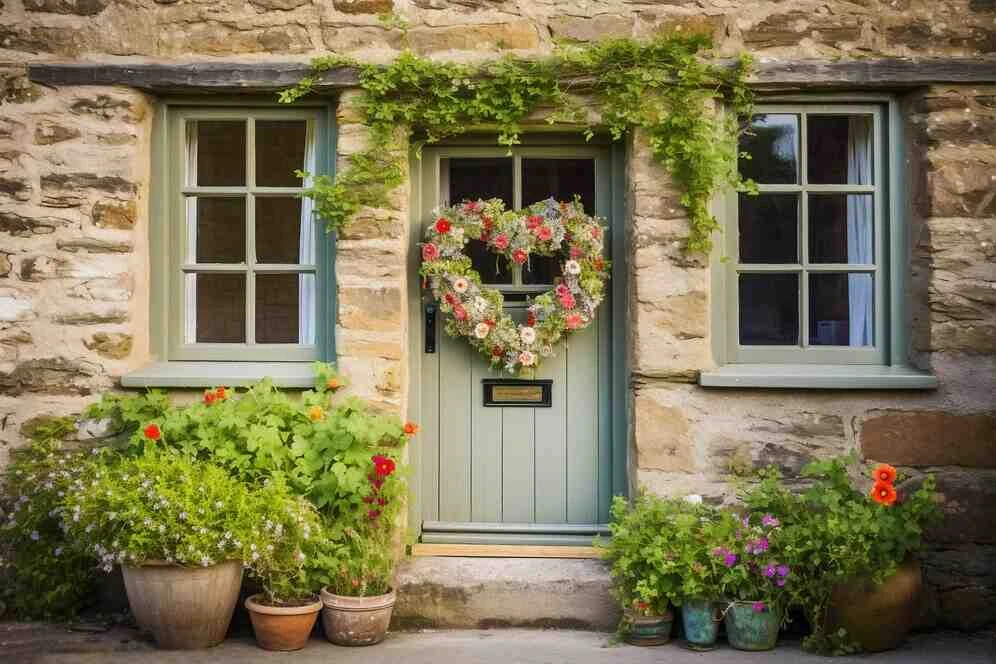
Windows and doors are more than just functional components of a building; they are key architectural elements that can dramatically impact a structure"s aesthetics, energy efficiency, and overall appe...

Innovative structural materials have been at the forefront of modern construction, pushing the boundaries of what is possible in terms of strength, sustainability, and design. As the construction indu...
Sign up to start winning an unlimited amount of jobs near you.


 Electrician
Gas Engineer
Electrician
Gas Engineer


Send more enquiries and explore your options
Increasing the number of potentials leads for you!
Have more control and flexibility over your finances!