


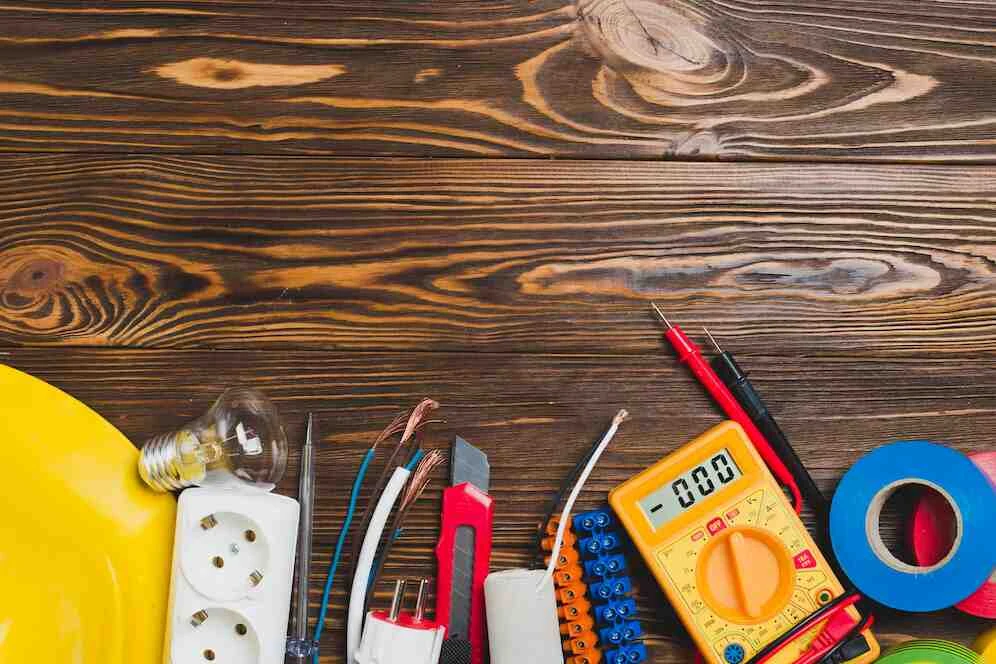
1. Personal Protective Equipment (PPE)
Personal Protective Equipment is the foundation of electrical safety. Here are some key PPE items:
a. **Safety Glasses:** These protect your eyes from sparks, debris, and potential arc flashes. Ensure they meet industry safety standards.
b. **Insulated Gloves:** Insulated rubber gloves protect against electrical shock. It"s crucial to select gloves rated for the voltage levels you"ll be working with.
c. **Hard Hat:** A hard hat safeguards against falling objects and provides additional protection in case of electrical faults.
d. **Hearing Protection:** For working in noisy environments, like construction sites, to protect against hearing damage.
e. **Footwear:** Safety-toed boots with non-conductive soles are essential to prevent electrical grounding through the feet.
2. Voltage Detectors and Testers
Before starting any electrical work, it"s crucial to confirm whether a circuit is de-energized. Voltage detectors and testers are essential for this purpose. They help ensure that circuits are safely de-energized, reducing the risk of shock or arc flashes. Some common tools in this category include non-contact voltage testers, multimeters, and circuit testers.
3. Lockout-Tagout (LOTO) Equipment
LOTO procedures are vital for electrical safety. Lockout devices and tags are used to isolate energy sources, preventing unexpected energization of circuits. A good assessment includes checking that LOTO equipment, including locks, tags, and hasps, is in proper working order.
4. Insulated Tools
Working with standard tools around live electrical components can be dangerous. Insulated tools are designed to protect against electrical shock. Check that the handles and shafts are made from non-conductive materials such as rubber or fiberglass. Common insulated tools include screwdrivers, pliers, and wrenches.
5. Arc Flash Protection Gear
Arc flashes are explosive electrical discharges that can cause severe burns and injuries. Electricians working on electrical panels and systems should wear arc flash protection gear. This typically includes arc-rated clothing, face shields, and gloves to protect against thermal injuries.
6. Fire Extinguishers
Electrical fires are a genuine risk, and having fire extinguishers on hand is essential. Ensure they are the appropriate type for electrical fires (Class C) and regularly inspect and maintain them to guarantee their effectiveness.
7. First Aid Kit
In the event of an electrical accident, a well-equipped first aid kit is a critical component of electrical safety. It should include supplies for treating burns, cuts, and other common injuries that can occur on the job.
Assessing Electrical Safety Equipment and Tools
When assessing electrical safety equipment and tools, consider the following factors:
1. Compliance: Ensure that the equipment and tools meet relevant safety standards and regulations, which may vary depending on your location.
2. Maintenance: Regularly inspect and maintain equipment to ensure they remain in good working condition. Any damaged or defective tools should be promptly repaired or replaced.
3. Training: Ensure that anyone using the equipment and tools has the necessary training and knowledge to do so safely.
4. Applicability: Assess the equipment and tools for the specific tasks at hand. Different jobs may require different tools, and having the right ones on hand is essential for safety.
Conclusion
Assessing electrical safety equipment and tools is a fundamental aspect of ensuring electrical safety. Whether you are a professional electrician or a homeowner tackling a DIY project, these tools and equipment are vital for protecting yourself and those around you. By following safety protocols, regularly maintaining your equipment, and choosing the right tools for the job, you can significantly reduce the risk of electrical accidents and work confidently with electricity. Remember, electrical safety should always be a top priority.

In the era of climate change and environmental consciousness, sustainable building practices have gained immense importance. One of the critical aspects of sustainable construction is the selection of...

When it comes to making our homes and buildings more energy-efficient, insulation materials play a crucial role. They help regulate indoor temperatures, reduce energy consumption, and lower heating an...

Smart building technologies have revolutionized the way we design, construct, and manage buildings. These technologies leverage the power of the Internet of Things (IoT) to enhance building ef...

Selecting the right flooring material is a crucial decision when it comes to interior design and construction projects. Flooring not only impacts the aesthetics of a space but also affects its functio...

Windows and doors are more than just functional components of a building; they are key architectural elements that can dramatically impact a structure"s aesthetics, energy efficiency, and overall appe...

Innovative structural materials have been at the forefront of modern construction, pushing the boundaries of what is possible in terms of strength, sustainability, and design. As the construction indu...
Sign up to start winning an unlimited amount of jobs near you.


 Electrician
Gas Engineer
Electrician
Gas Engineer


Send more enquiries and explore your options
Increasing the number of potentials leads for you!
Have more control and flexibility over your finances!