


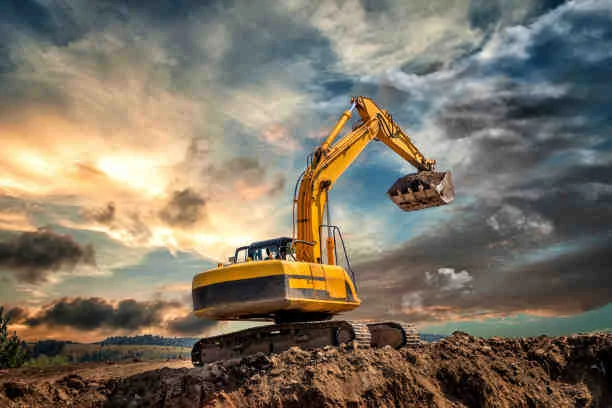
This blog post will delve deep into the world of demolition materials recycling practices. We"ll explore the reasons for adopting these practices, the methods involved, and the potential benefits they offer, not only to the construction industry but also to the environment.
The Urgent Need for Change
Escalating Waste Crisis
The construction and demolition industry is one of the largest waste producers globally. The scale of waste generated by this sector is staggering, leading to overflowing landfills and environmental degradation. By embracing demolition materials recycling practices, the industry can be part of the solution rather than the problem.
Environmental Implications
Dumping construction and demolition waste in landfills poses significant environmental challenges. These materials can take centuries to decompose, releasing harmful pollutants into the environment. Recycling these materials is a key strategy in reducing the industry"s carbon footprint and conserving valuable resources.
Demolition Materials Recycling: The Basics
What Can Be Recycled?
Before we delve into the recycling methods, it"s essential to understand what materials can be recycled. From concrete and wood to metals and plastics, the list of recyclable materials in the demolition industry is extensive. We"ll discuss the recycling potential of each material and how they can be repurposed.
Methods of Recycling
Demolition materials recycling encompasses various techniques, including mechanical recycling, chemical recycling, and thermal recycling. We"ll examine these methods in detail, shedding light on the processes involved and their environmental implications.
The Benefits of Demolition Materials Recycling
Environmental Impact
Recycling materials from demolition sites reduces the demand for virgin resources, which, in turn, lessens the environmental impact of mining, logging, and manufacturing. We"ll delve into the environmental benefits, including reduced greenhouse gas emissions and less habitat destruction.
Economic Gains
Recycling is not just a boon for the environment; it can also be a financial windfall. We"ll explore how recycling materials from demolition sites can lead to cost savings for construction companies, as well as job creation and revenue generation in the recycling industry.
Energy Efficiency
The recycling process typically consumes less energy than producing materials from scratch. We"ll discuss how this energy efficiency translates into reduced energy consumption and carbon emissions in the construction industry.
Community and Social Benefits
Demolition materials recycling practices can lead to improved community relations. We"ll examine how recycling can create opportunities for community involvement and engagement, fostering positive relationships between construction companies and local residents.
Challenges and Solutions
Quality Control
One of the primary challenges in recycling demolition materials is maintaining the quality of the recycled products. We"ll explore the issue of contamination and the strategies used to ensure the products meet industry standards.
Regulation and Legislation
The recycling industry relies heavily on regulations and policies to promote responsible practices. We"ll discuss existing regulations and the potential for further legislation to encourage recycling in the demolition sector.
Technological Advancements
Innovation plays a crucial role in the development of recycling practices. We"ll delve into emerging technologies, such as 3D printing using recycled materials and the use of artificial intelligence for sorting and processing recyclables.
Case Studies: Success Stories
To illustrate the positive impact of demolition materials recycling practices, we"ll present several case studies from around the world. These stories will showcase real-world examples of how recycling has transformed the construction and demolition industry.
The Future of Demolition Materials Recycling
We"ll conclude by looking at the future of demolition materials recycling. The industry is poised for significant changes as environmental concerns continue to grow. We"ll discuss what the future may hold in terms of technological advancements, increased recycling rates, and a more sustainable construction and demolition sector.
Conclusion
Assessing demolition materials recycling practices is essential in our quest for a more sustainable future. The construction and demolition industry must adapt to the changing landscape, embracing recycling as a core practice. As this blog post has shown, the benefits of recycling are far-reaching, from reduced environmental impact to economic gains and community benefits. By overcoming the challenges and striving for innovation, the construction and demolition industry can lead the way in building a more sustainable and responsible world.

In the era of climate change and environmental consciousness, sustainable building practices have gained immense importance. One of the critical aspects of sustainable construction is the selection of...

When it comes to making our homes and buildings more energy-efficient, insulation materials play a crucial role. They help regulate indoor temperatures, reduce energy consumption, and lower heating an...

Smart building technologies have revolutionized the way we design, construct, and manage buildings. These technologies leverage the power of the Internet of Things (IoT) to enhance building ef...

Selecting the right flooring material is a crucial decision when it comes to interior design and construction projects. Flooring not only impacts the aesthetics of a space but also affects its functio...

Windows and doors are more than just functional components of a building; they are key architectural elements that can dramatically impact a structure"s aesthetics, energy efficiency, and overall appe...

Innovative structural materials have been at the forefront of modern construction, pushing the boundaries of what is possible in terms of strength, sustainability, and design. As the construction indu...
Sign up to start winning an unlimited amount of jobs near you.


 Electrician
Gas Engineer
Electrician
Gas Engineer


Send more enquiries and explore your options
Increasing the number of potentials leads for you!
Have more control and flexibility over your finances!