


Location: Paris, France
Architect: I. M. Pei
One of the most iconic examples of blending old and new is the Louvre Pyramid in Paris. Designed by I. M. Pei, this modern glass pyramid serves as the main entrance to the historic Louvre Museum. The contrast between the 21st-century glass structure and the centuries-old palace is striking, yet the pyramid"s transparency and geometry pay homage to the museum"s architectural heritage. It seamlessly merges modern aesthetics with a historic backdrop.
Key Features:
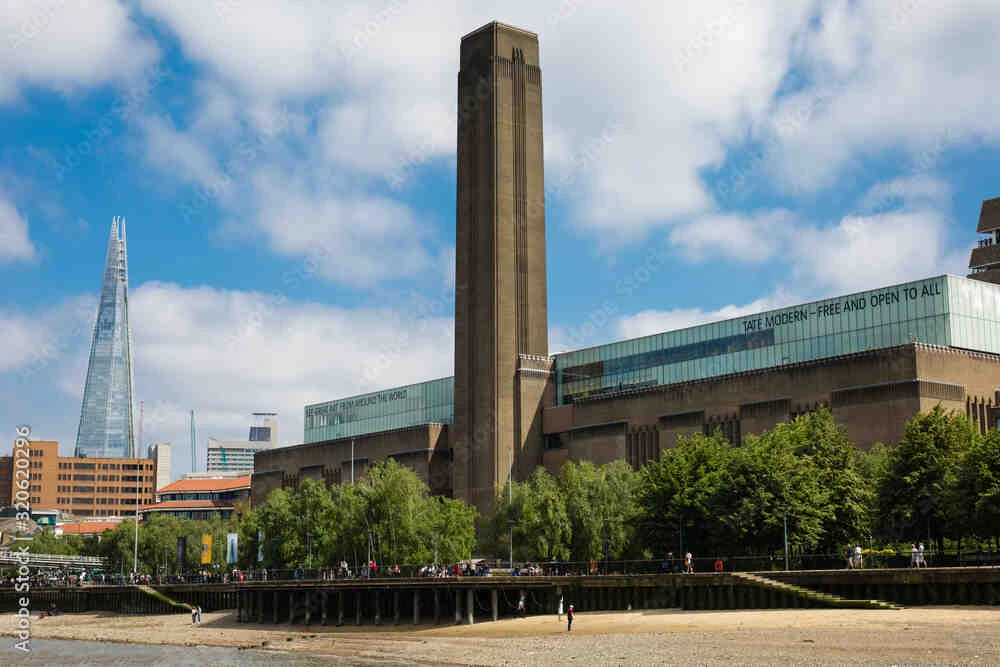
Location: London, UK
Architect: Herzog & de Meuron
The Tate Modern in London is a remarkable example of repurposing industrial heritage. This contemporary art museum was once a power station. Herzog & de Meuron transformed the existing structure into a gallery space while preserving the industrial charm. The brick façade and towering chimney create a captivating blend of old and new, making the Tate Modern an architectural landmark.
Key Features:
Location: Paris, France
Architect: Gae Aulenti (Adaptive Reuse)
The Musée d"Orsay in Paris is another stellar example of architectural adaptation. Housed in a former Beaux-Arts railway station, the museum beautifully blends historic architecture with modern interiors. Gae Aulenti"s design retained the grandeur of the station"s glass and iron structure while introducing contemporary exhibition spaces, creating a harmonious marriage of old and new.
Key Features:
Location: Berlin, Germany
Architect: David Chipperfield
The Neues Museum in Berlin is a testament to meticulous restoration and adaptive reuse. Severely damaged during World War II, the museum was painstakingly restored by David Chipperfield. The project retained the original façade"s historic charm while introducing modern elements to house the museum"s collections. It"s a masterclass in architectural preservation and contemporary integration.
Key Features:
Location: Hamburg, Germany
Architect: Herzog & de Meuron
The Elbphilharmonie in Hamburg is a contemporary masterpiece that sits atop a historic warehouse. Herzog & de Meuron"s design features a wavy glass structure that contrasts with the red brick base. The integration of modern elements into the historic building creates an architectural dialogue between old and new, making the Elbphilharmonie a symbol of harmonious coexistence.
Key Features:
Location: Doha, Qatar
Architect: I. M. Pei
The Museum of Islamic Art in Doha is an architectural jewel on the waterfront. Designed by I. M. Pei, it fuses modern geometric elements with traditional Islamic architecture. The building"s minimalist design is complemented by a striking geometric patterned façade, creating a stunning contrast that pays homage to Islamic architectural heritage.
Key Features:
Location: Toronto, Canada
Architect: Daniel Libeskind (Crystal Addition)
The Royal Ontario Museum in Toronto underwent a transformative renovation with the addition of the Crystal by Daniel Libeskind. This contemporary structure is composed of glass and steel, jutting out from the museum"s historic building. The Crystal"s sharp angles and reflective surfaces create a captivating interplay between old and new, capturing the imagination of visitors.
Key Features:
Location: Cape Town, South Africa
Architect: Heatherwick Studio
The Zeitz Museum of Contemporary Art Africa (MOCAA) in Cape Town is housed within a historic grain silo complex. Heatherwick Studio"s design ingeniously carved out gallery spaces within the silos, preserving the industrial character while introducing modern features. The result is an architectural blend that celebrates both the past and contemporary art.
Key Features:
Location: Dundee, UK
Architect: Kengo Kuma
The V&A Dundee is a striking addition to the city"s waterfront. Designed by Kengo Kuma, this contemporary museum is inspired by the cliffs of Scotland"s east coast. The building"s angular forms and concrete cladding pay homage to the nation"s rugged landscape while providing a modern space for art and design exhibitions.
Key Features:
Location: New York City, USA
Architect: Marcel Breuer (The Met Breuer)
The Met Breuer in New York City is a notable example of modernist architecture integrated into a historic institution. Designed by Marcel Breuer, this iconic building was once the Whitney Museum of American Art. It now serves as part of The Metropolitan Museum of Art, demonstrating the adaptability of architecture and the seamless merging of old and new art collections.
Key Features:
Location: Oslo, Norway
Architect: Snøhetta
The Oslo Opera House in Norway is a contemporary marvel that rises from the waters of the Oslo Fjord. Snøhetta"s design seamlessly integrates the building"s roof with the surrounding urban landscape, inviting visitors to climb its slopes. The contrast between the white marble and the sea creates a harmonious connection between architecture and nature.
Key Features:
Location: Singapore
Architect: Studio Milou Singapore
The National Gallery Singapore is a merger of two historic buildings, the former Supreme Court and City Hall. Studio Milou Singapore"s design links these structures with a modern, undulating roof, creating a striking contrast between old and new. The seamless integration provides a unique space for the display of Asian and Southeast Asian art.
Key Features:
Architectural harmony between old and new is a testament to the rich tapestry of history and innovation that shapes our world. These 12 examples, from museums and cultural institutions to modern art galleries and adaptive reuse projects, demonstrate the power of architecture to celebrate the past while embracing the future. They remind us that through thoughtful design and integration, we can create spaces that not only honor heritage but also inspire generations to come. As architecture continues to evolve, we can look forward to even more innovative examples of blending old and new, enriching our urban landscapes and cultural experiences.
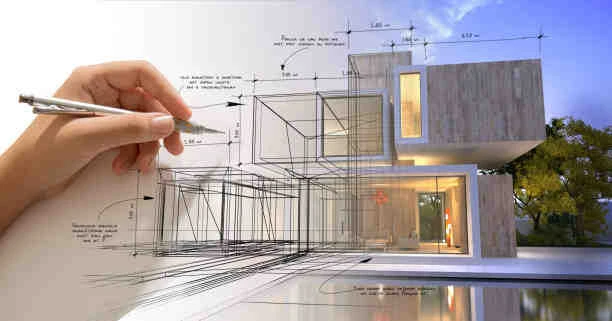
In a world often cluttered with complexity, modern minimalism in architecture stands as a testament to the beauty of simplicity. This design philosophy strips away excess ornamentation and embraces cl...

Throughout history, mankind has expressed its creativity and ambition through the construction of iconic architectural landmarks. These structures not only captivate us with their breathtaking designs...
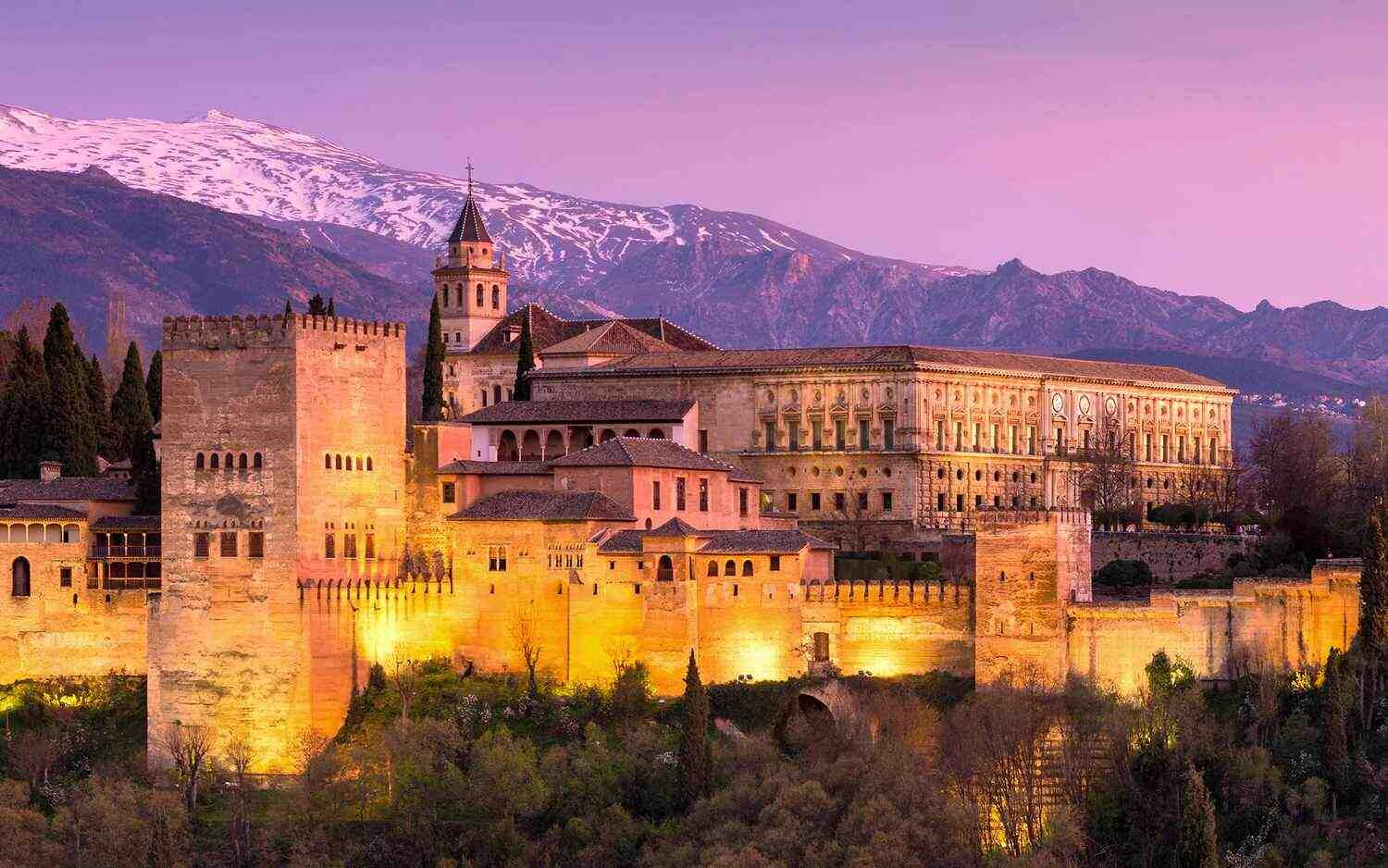
Symmetry and balance in architectural design are principles that have been appreciated for centuries. These elements create a sense of harmony, order, and visual appeal in buildings and structures. Sy...
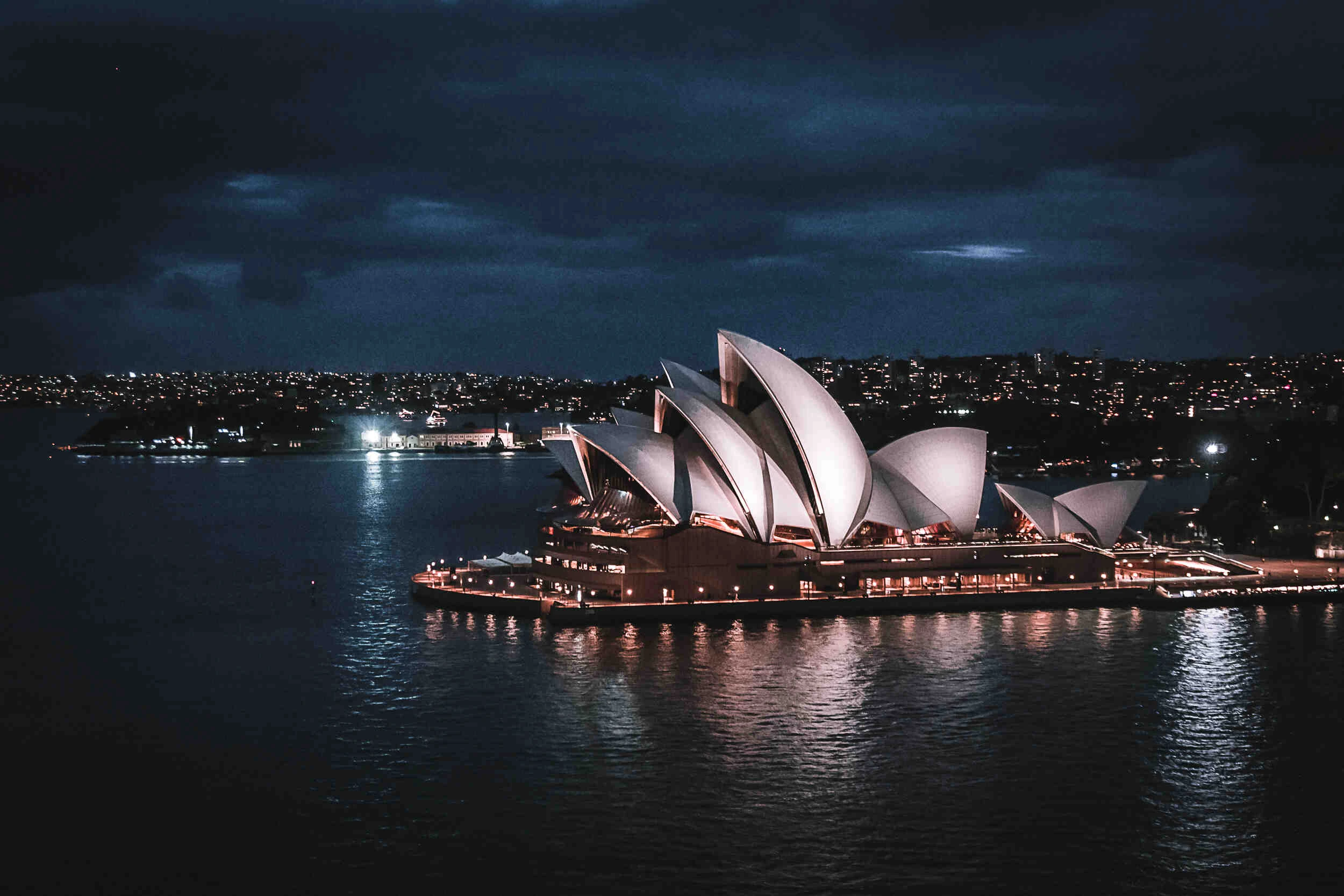
As the sun dips below the horizon, architectural wonders across the globe come to life, basking in the radiance of carefully designed illumination. Creative lighting design possesses the remarkable ab...
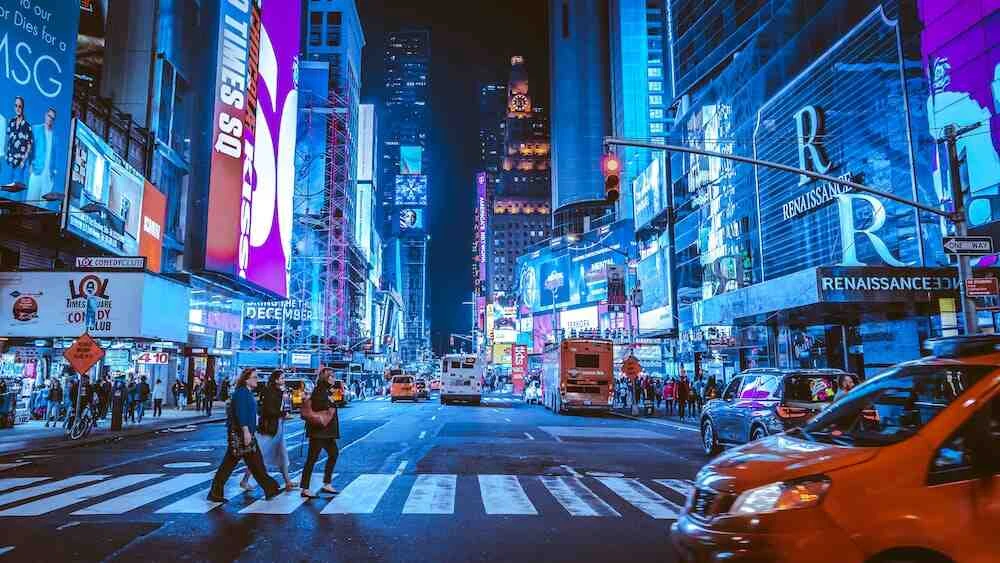
Architecture has a profound impact on our daily lives, shaping the way we interact with our surroundings and with one another. In recent years, a shift towards community-centric architecture has been ...
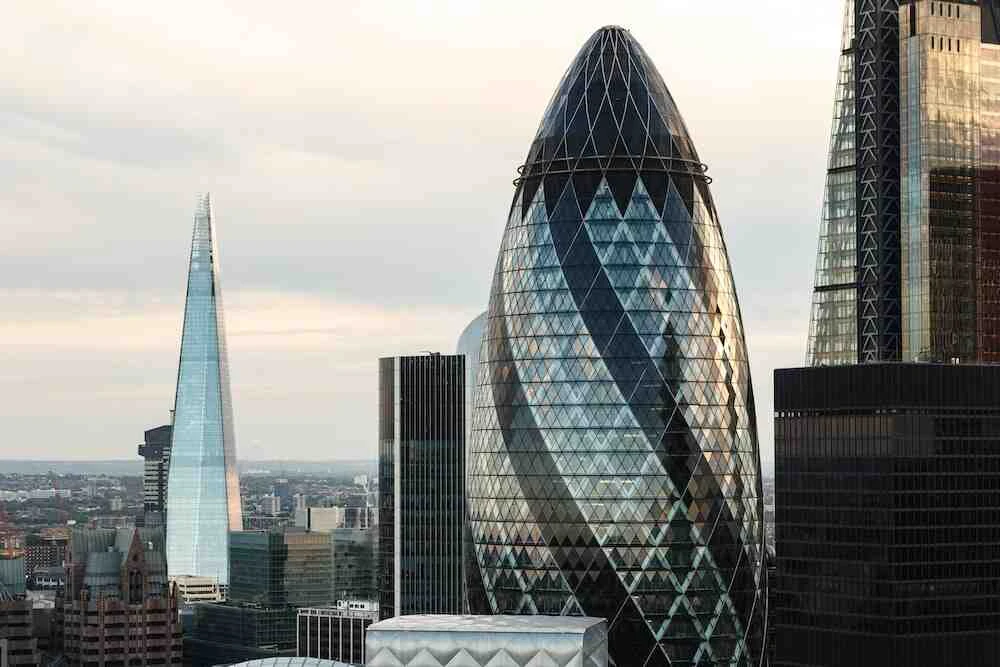
In the ever-evolving world of architecture, the materials we use play a pivotal role in shaping the built environment. Over the years, architects and designers have pushed the boundaries of convention...
Sign up to start winning an unlimited amount of jobs near you.


 Electrician
Gas Engineer
Electrician
Gas Engineer


Send more enquiries and explore your options
Increasing the number of potentials leads for you!
Have more control and flexibility over your finances!