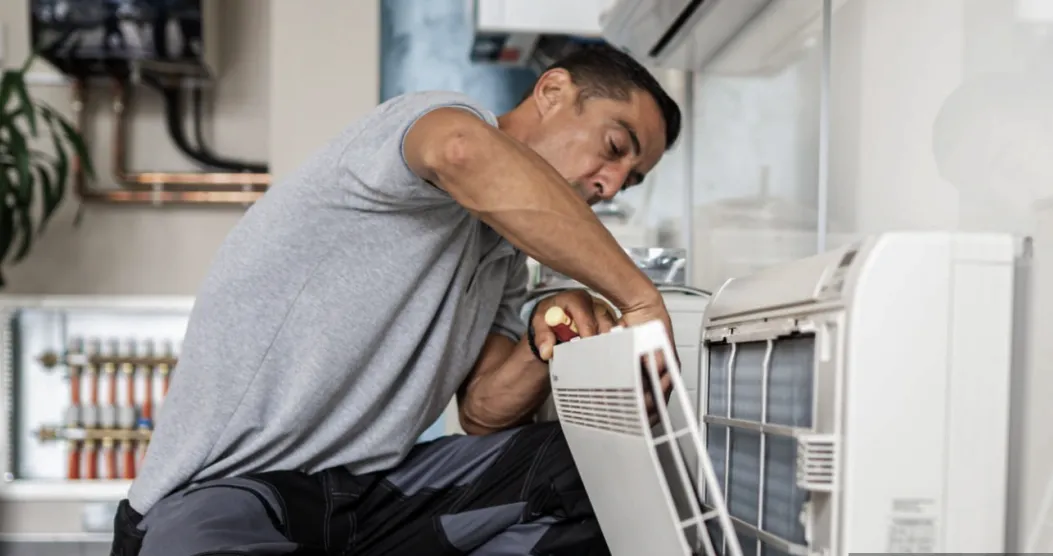


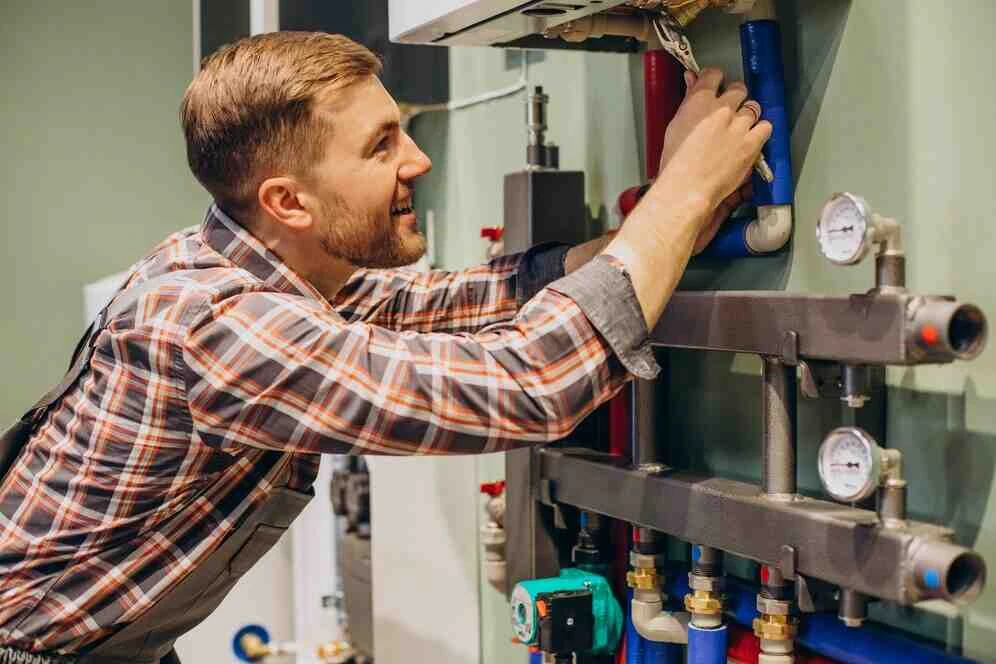
The heat source is where the energy to heat your space originates. Common types include:
The distribution system carries the heated air or water to the various rooms in your home:
The thermostat is the control center of your heating system. It measures the temperature in your space and sends signals to the heat source to turn on or off. Modern thermostats can be programmable, smart, or manual.
A heat exchanger is a critical component in most heating systems. It transfers the heat generated by the heat source to the air or water in the distribution system. In a furnace, the heat exchanger warms the air passing through, while in a boiler, it heats water or generates steam.
Depending on the type of heating system, a pump or blower is used to circulate the heated air or water. Furnaces use blowers to push warm air into ducts, while boilers rely on pumps to move heated water.
Proper ventilation is vital for maintaining indoor air quality and safety. Many heating systems incorporate air filters and exhaust systems to remove impurities and release combustion byproducts outside.
The fuel source powers the heating system. It can be natural gas, oil, electricity, propane, or renewable energy sources like solar or geothermal.
Modern heating systems include various controls and safety features to optimize efficiency and ensure safety. These may include temperature sensors, pressure relief valves, and emergency shutoffs.
In systems that burn fuel, a chimney or flue vents combustion byproducts outside. It"s crucial to ensure proper ventilation to prevent dangerous carbon monoxide buildup.
Boilers require an expansion tank to accommodate the expansion and contraction of water as it heats and cools. This prevents damage to the system.
Conclusion
Understanding the components of your heating system is essential for proper operation, maintenance, and troubleshooting. Whether you have a furnace, boiler, heat pump, or another type of heating system, each component plays a vital role in keeping your home warm and comfortable. Regular maintenance and care of these components ensure that your heating system operates efficiently, saving you money and providing the comfort you need, especially during the chilly months.

In the era of climate change and environmental consciousness, sustainable building practices have gained immense importance. One of the critical aspects of sustainable construction is the selection of...

When it comes to making our homes and buildings more energy-efficient, insulation materials play a crucial role. They help regulate indoor temperatures, reduce energy consumption, and lower heating an...

Smart building technologies have revolutionized the way we design, construct, and manage buildings. These technologies leverage the power of the Internet of Things (IoT) to enhance building ef...

Selecting the right flooring material is a crucial decision when it comes to interior design and construction projects. Flooring not only impacts the aesthetics of a space but also affects its functio...

Windows and doors are more than just functional components of a building; they are key architectural elements that can dramatically impact a structure"s aesthetics, energy efficiency, and overall appe...

Innovative structural materials have been at the forefront of modern construction, pushing the boundaries of what is possible in terms of strength, sustainability, and design. As the construction indu...
Sign up to start winning an unlimited amount of jobs near you.


 Electrician
Gas Engineer
Electrician
Gas Engineer


Send more enquiries and explore your options
Increasing the number of potentials leads for you!
Have more control and flexibility over your finances!