


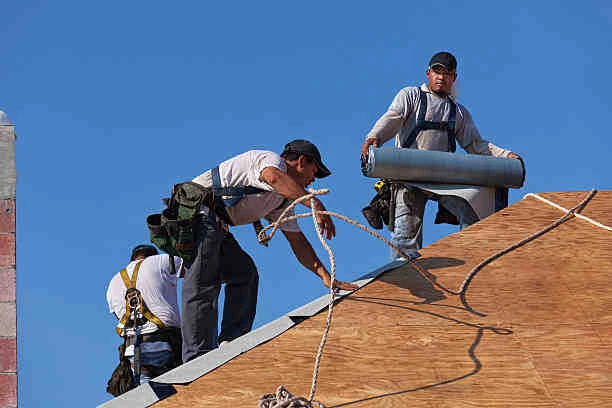
**Wood**
**Pros:**
1. **Aesthetically Pleasing**: Wood offers a classic, natural appearance that can enhance the curb appeal of your home.
2. **Easy to Work With**: Wood is relatively easy to cut and shape, making it suitable for intricate designs.
3. **Insulation**: Wood provides some natural insulation, which can help regulate temperatures in your home.
**Cons:**
1. **Maintenance**: Wood requires frequent maintenance, including painting, staining, and sealing to prevent rot and decay.
2. **Vulnerable to Weather**: Wood can warp, crack, and rot over time when exposed to the elements, making it less durable in harsh climates.
3. **Cost**: High-quality wood is often more expensive than alternative materials.
**uPVC (Unplasticized Polyvinyl Chloride)**
**Pros:**
1. **Low Maintenance**: uPVC is virtually maintenance-free and doesn"t require painting or sealing.
2. **Durable**: It"s resistant to rot, mold, and weathering, ensuring long-lasting performance.
3. **Cost-Effective**: uPVC is a cost-effective option that provides good value for your investment.
4. **Color Variety**: Available in a wide range of colors and finishes to match your home"s aesthetic.
**Cons:**
1. **Limited Aesthetics**: uPVC may lack the natural charm of wood and is not as adaptable for intricate designs.
2. **Environmental Impact**: The production of uPVC involves chemicals and is not considered an environmentally friendly material.
3. **Expansion and Contraction**: uPVC can expand and contract with temperature fluctuations, potentially leading to gaps.
**Aluminum**
**Pros:**
1. **Lightweight**: Aluminum is lightweight and easy to handle, making installation more straightforward.
2. **Durability**: It is highly resistant to weathering, corrosion, and pests, making it a long-lasting option.
3. **Low Maintenance**: Aluminum requires minimal maintenance and is typically corrosion-resistant.
**Cons:**
1. **Limited Insulation**: Aluminum does not provide insulation and may require additional materials for thermal regulation.
2. **Limited Color Options**: While some color finishes are available, aluminum offers fewer aesthetic choices compared to other materials.
3. **Cost**: It can be more expensive than uPVC and other materials, depending on the grade of aluminum used.
**Fiber Cement**
**Pros:**
1. **Durability**: Fiber cement is highly durable, resistant to weather, pests, and rot.
2. **Aesthetics**: It can mimic the appearance of wood without the same susceptibility to rot and decay.
3. **Low Maintenance**: Requires minimal upkeep and is relatively low-maintenance compared to wood.
**Cons:**
1. **Heaviness**: Fiber cement is heavy, which may necessitate extra structural support during installation.
2. **Installation Complexity**: Working with fiber cement can be more complex, requiring specialized tools and techniques.
3. **Cost**: Fiber cement can be more expensive than other materials, primarily due to its durability and aesthetic versatility.
**Conclusion**
Choosing the right fascia and soffit material for your roofline project is a critical decision that balances aesthetics, durability, maintenance, and budget considerations. Each material offers distinct advantages and drawbacks, making it essential to weigh the pros and cons based on your specific needs and preferences. Always consult with a professional to determine the most suitable material for your roofline project, ensuring a functional and visually appealing result that stands the test of time.

In the era of climate change and environmental consciousness, sustainable building practices have gained immense importance. One of the critical aspects of sustainable construction is the selection of...
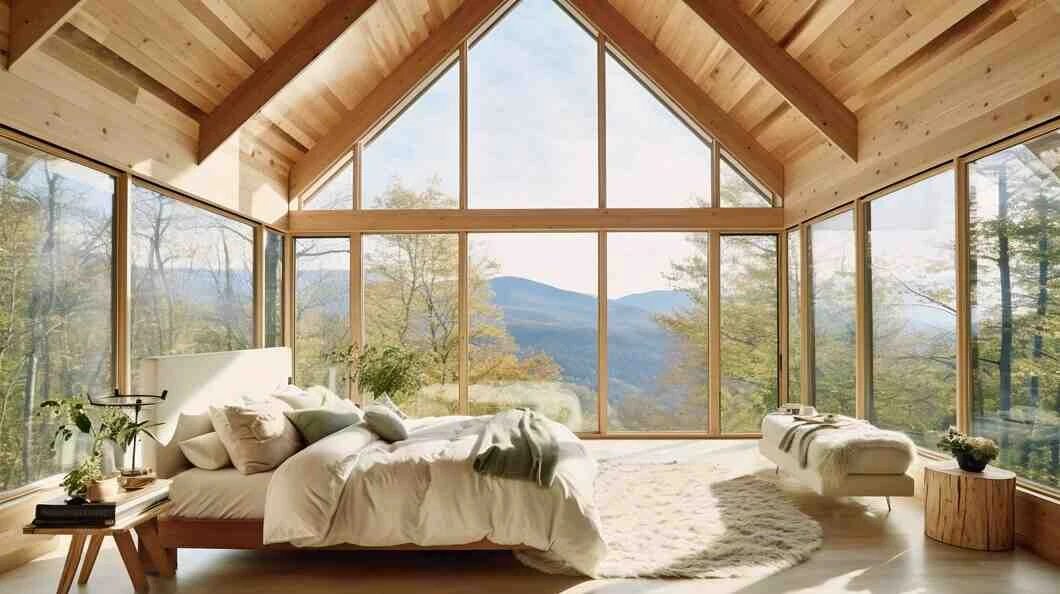
When it comes to making our homes and buildings more energy-efficient, insulation materials play a crucial role. They help regulate indoor temperatures, reduce energy consumption, and lower heating an...

Smart building technologies have revolutionized the way we design, construct, and manage buildings. These technologies leverage the power of the Internet of Things (IoT) to enhance building ef...
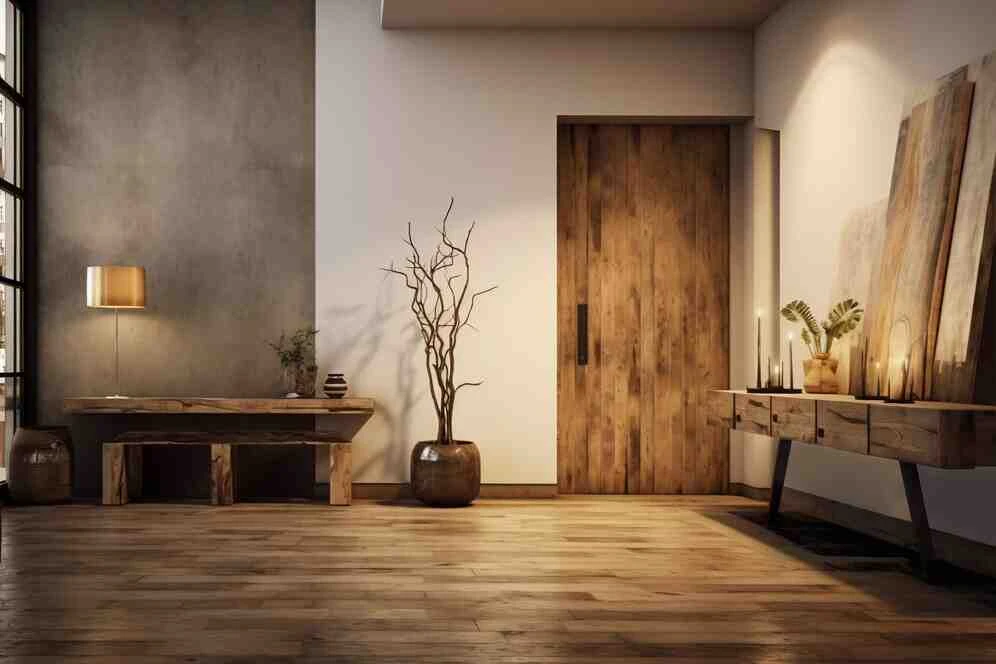
Selecting the right flooring material is a crucial decision when it comes to interior design and construction projects. Flooring not only impacts the aesthetics of a space but also affects its functio...
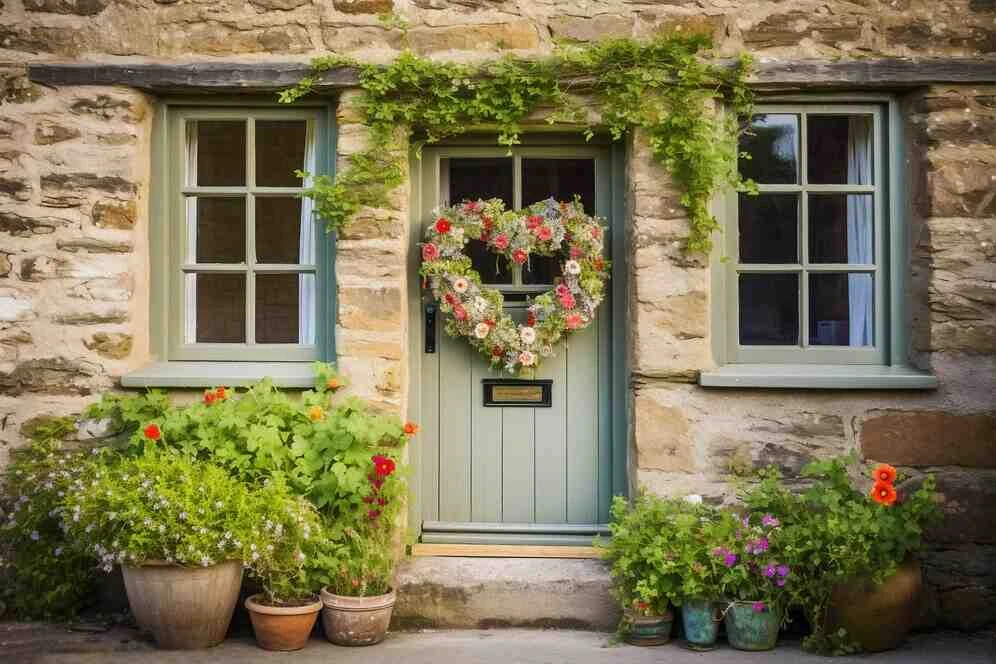
Windows and doors are more than just functional components of a building; they are key architectural elements that can dramatically impact a structure"s aesthetics, energy efficiency, and overall appe...

Innovative structural materials have been at the forefront of modern construction, pushing the boundaries of what is possible in terms of strength, sustainability, and design. As the construction indu...
Sign up to start winning an unlimited amount of jobs near you.


 Electrician
Gas Engineer
Electrician
Gas Engineer


Send more enquiries and explore your options
Increasing the number of potentials leads for you!
Have more control and flexibility over your finances!