



1. Embrace Sustainability
Sustainability in Architecture: More Than a Trend
Sustainability has become a cornerstone of modern architecture. It"s not just a trend; it"s a responsibility. Architects should prioritize sustainable design principles in their projects. This includes integrating energy-efficient systems, using eco-friendly materials, and considering the long-term environmental impact of their designs. Sustainable architecture not only benefits the planet but also reduces operational costs for clients.
Passive Design Strategies
Passive design strategies are at the heart of sustainable architecture. These techniques harness natural elements like sunlight, wind, and shading to create energy-efficient buildings. Architects can employ passive design principles such as optimizing building orientation, maximizing natural ventilation, and using thermal mass to regulate temperature.
2. Master 3D Modeling and Visualization
The Power of 3D Modeling
In today"s digital age, architects must be proficient in 3D modeling and visualization tools. These technologies allow architects to create realistic renderings and walkthroughs of their designs. Software like Autodesk Revit, SketchUp, and Lumion have become invaluable for architects, enabling them to communicate their ideas effectively to clients and stakeholders.
Creating Immersive Virtual Reality Experiences
Beyond 3D modeling, architects can leverage virtual reality (VR) to create immersive experiences for clients. VR allows clients to step into a digital representation of their future space, providing a deeper understanding of the design. Architects can use tools like VR headsets to offer clients virtual tours of their projects, helping them make informed decisions.
3. Stay Informed About Building Codes and Regulations
The Ever-Evolving Regulatory Landscape
Building codes and regulations are ever-evolving, and architects must stay informed about the latest updates. Compliance is not just a legal requirement; it"s essential for ensuring the safety and functionality of a building. Architects should regularly attend seminars, workshops, and training sessions to stay up-to-date with building codes and related laws.
Balancing Innovation and Compliance
While staying compliant with regulations is crucial, architects should also seek innovative ways to meet these requirements. This includes exploring cutting-edge materials and construction techniques that align with both legal standards and sustainable design principles.
4. Develop Strong Project Management Skills
Architect as Project Manager
Architects are not just designers; they are project managers. Successful project management involves effective communication, budget management, and timekeeping. Architects should cultivate strong project management skills to ensure their projects are completed on time, within budget, and meet the client"s expectations.
Effective Communication with Stakeholders
Effective communication is at the core of project management. Architects must be skilled communicators, able to convey their design intent to clients, contractors, and other stakeholders. Clear and concise communication can prevent misunderstandings and ensure that the project progresses smoothly.
5. Foster Collaborative Relationships
The Collaborative Nature of Architecture
Architecture is a collaborative field that requires architects to work closely with engineers, contractors, interior designers, and other professionals. Building strong relationships and effective communication with team members is crucial for project success. Architects should foster a collaborative spirit, respecting the expertise of others while contributing their architectural vision.
Integrated Project Delivery
Integrated project delivery (IPD) is an approach that promotes collaboration from the project"s inception. Architects, along with other key stakeholders, work together from the early stages of a project to streamline decision-making and reduce conflicts. IPD encourages a holistic approach to design and construction.
6. Invest in Continuing Education
The Lifelong Learner
Continuing education is essential for architects who want to stay competitive. The architecture field is constantly evolving, with new materials, technologies, and design philosophies emerging regularly. Architects should invest in ongoing learning opportunities, such as workshops, online courses, or pursuing advanced degrees, to expand their knowledge and skills.
Exploring Specialized Areas
Continuing education can also be an opportunity to explore specialized areas within architecture. For example, architects can delve into sustainable design, historic preservation, healthcare architecture, or urban planning to broaden their expertise and cater to specific client needs.
7. Explore Innovative Materials and Construction Techniques
Materials of Tomorrow
Innovative materials and construction techniques are reshaping architecture. Architects should be open to experimenting with new materials like sustainable composites, aerogels, or 3D-printed structures. These innovations not only offer exciting design possibilities but can also enhance a building"s performance and sustainability.
Prefab and Modular Construction
Prefab and modular construction are gaining traction in the industry due to their efficiency and sustainability benefits. Architects can explore how to incorporate prefab components or modular designs into their projects, reducing construction timelines and waste.
8. Prioritize Client-Centered Design
Designing with Empathy
Ultimately, architecture is about creating spaces that serve the needs and aspirations of clients. Architects should prioritize client-centered design, which involves active listening, understanding client goals, and translating them into architectural solutions. A satisfied client is not only a testament to an architect"s skill but also a source of referrals and future opportunities.
Incorporating User Experience (UX) Design
The principles of user experience (UX) design can be applied to architecture to enhance the functionality and comfort of spaces. Architects can engage with end-users to gather insights and preferences that inform the design process, resulting in spaces that truly meet the needs of those who inhabit them.
9. Cultivate Design Thinking
Design Thinking in Architecture
Design thinking is a problem-solving approach that focuses on empathy and innovation. Architects can benefit from applying design thinking principles to their projects, emphasizing user experience, functionality, and aesthetic appeal. This human-centered approach can lead to more meaningful and impactful architectural solutions.
Prototyping and Iteration
Design thinking often involves prototyping and iteration, allowing architects to test and refine their ideas before finalizing designs. This iterative process can lead to innovative solutions and a deeper understanding of how a space will function.
10. Network and Build a Strong Portfolio
The Power of Professional Networks
Networking is a powerful tool for architects. Attending industry events, joining professional organizations, and connecting with peers can open doors to new opportunities and collaborations. Architects should also invest in building a compelling portfolio that showcases their best work and design philosophy.
Cultivating an Online Presence
In the digital age, an online presence is essential. Architects can create professional websites and use social media platforms to showcase their portfolio, share insights, and connect with potential clients. A strong online presence can help architects reach a broader audience and attract new projects.
Conclusion: Navigating the Evolving Landscape of Architecture
In conclusion, architecture is a multifaceted profession that demands continuous growth and adaptation. By embracing sustainability, mastering digital tools, staying informed about regulations, developing project management skills, fostering collaboration, investing in education, exploring innovation, prioritizing client needs, cultivating design thinking, and building a strong professional network and portfolio, architects can thrive in this dynamic field.
These expert tips and techniques are not just valuable for architects starting their careers; they are also essential for seasoned professionals looking to remain at the forefront of architectural excellence. Architecture is not just about buildings; it"s about shaping the future, and these insights can help architects do just that. As architects navigate the evolving landscape of architecture, these principles can serve as guiding lights, illuminating the path to innovative, sustainable, and client-centric design solutions. Architecture is an ever-evolving field, and those who embrace change and continual improvement are best equipped to leave a lasting impact on the built environment.

Introduction: In carpentry, time is money, and workflow is the pulse that keeps the business alive. Yet, many carpenters need help with a disjointed workflow, stifling efficiency and sapping the joy o...
.webp)
Introduction: Carpentry more than just a trade, is an art form. The journey to mastery involves constantly honing one"s skills, a voyage where every chisel stroke and nail-driven shapes not just ...

In the world of woodworking, every piece of timber tells a story - a tale of craftsmanship, dedication, and wisdom. For aspiring woodworkers and seasoned artisans alike, this blog is a collection of T...

In the world of woodworking, every piece crafted is a note in the symphony of a carpenter"s career. Yet, to compose a melodious tune, one must prioritize the conductor - their health and longevity. Th...
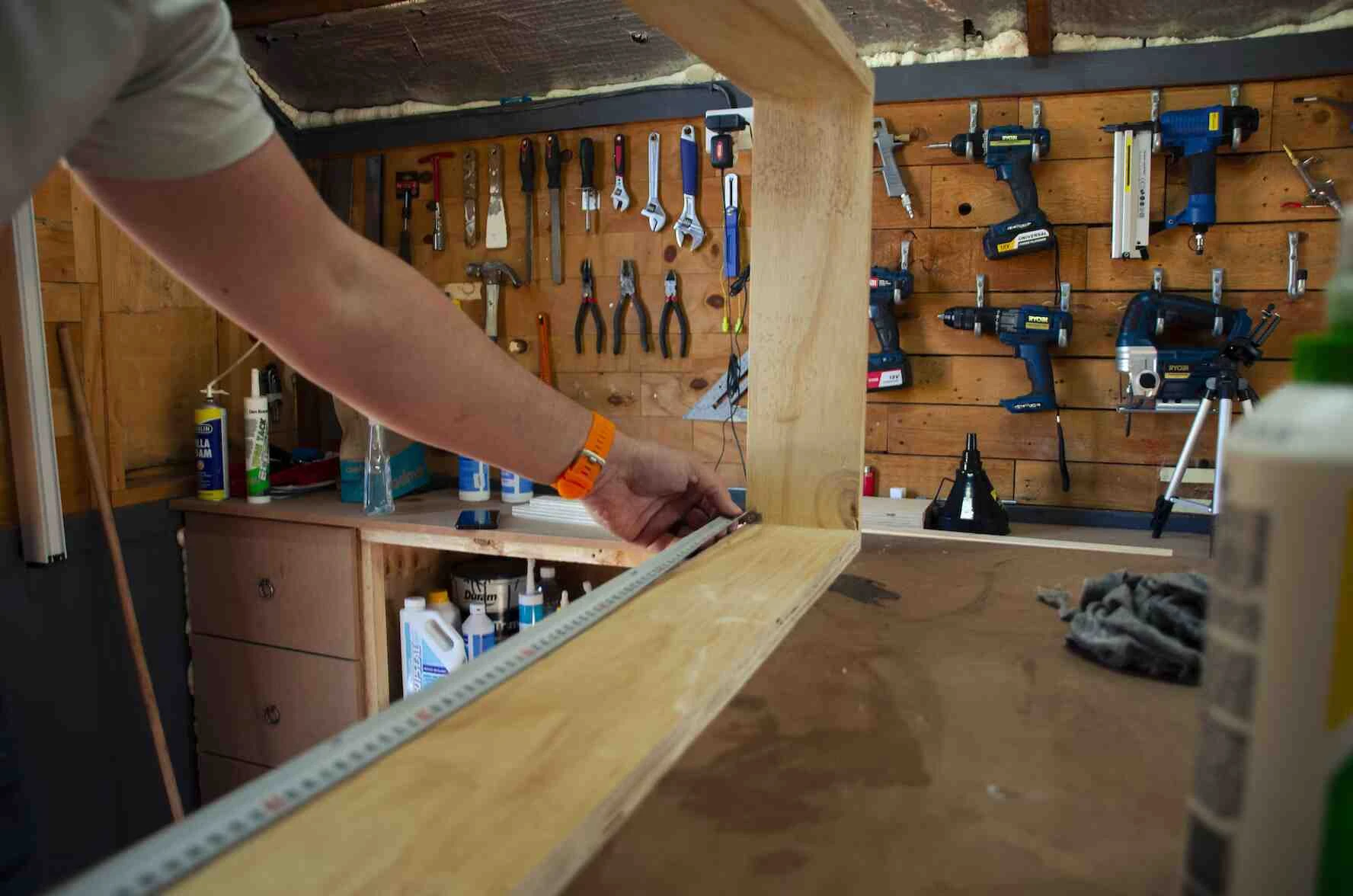
In carpentry, precision isn"t just about chiselling wood; it"s about chiselling a successful business. Financial stability and growth are the building blocks of a carpentry enterprise. Welcome to "Cra...

In the world of woodworking, creating something beautiful is not just an art—it"s a responsibility. A responsibility towards the craft, the client, and most importantly, the safety and well-bein...
Sign up to start winning an unlimited amount of jobs near you.


 Electrician
Gas Engineer
Electrician
Gas Engineer


Send more enquiries and explore your options
Increasing the number of potentials leads for you!
Have more control and flexibility over your finances!