


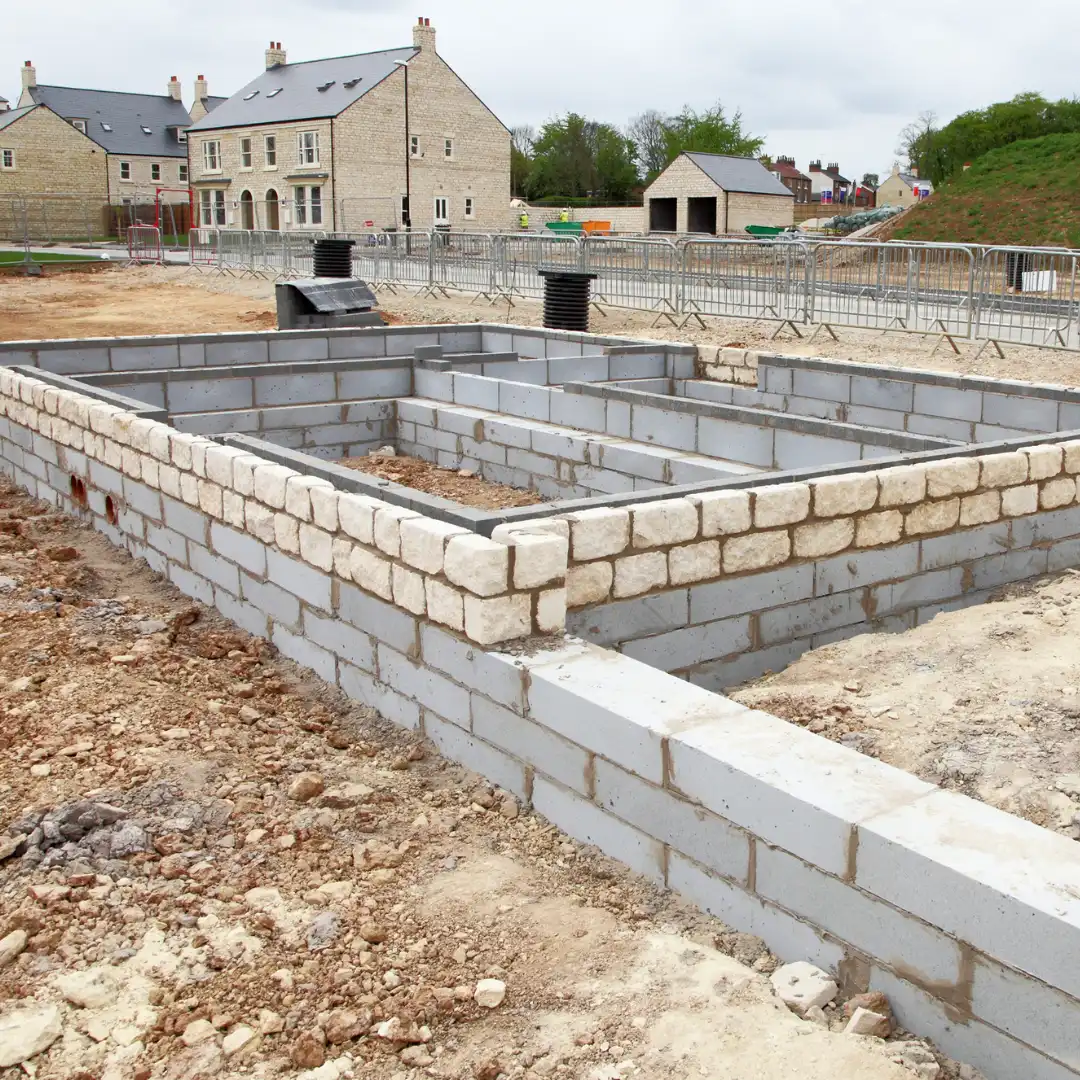
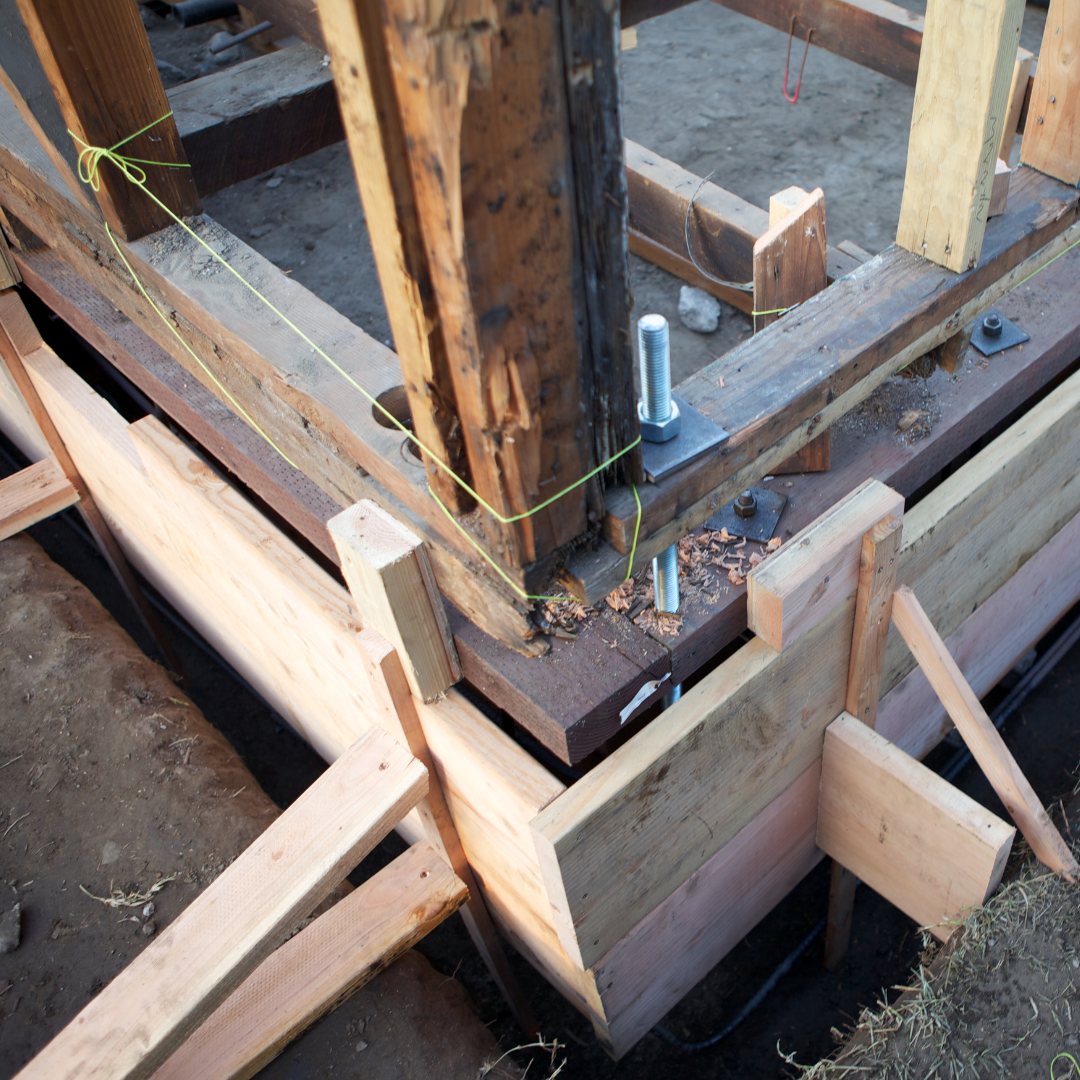
The Importance of a Solid Foundation
1. Structural Integrity: A strong foundation is essential to support the weight of the extension. It distributes the load evenly, preventing the structure from settling or becoming uneven over time. This is crucial for the structural integrity and safety of your extension.
2. Moisture Control: A proper foundation provides a barrier against moisture, preventing water from seeping into your extension. Moisture can lead to mold, rot, and other structural issues that can compromise the longevity of your project.
3. Ground Movement: Foundations are designed to resist ground movement, including soil expansion and contraction due to changes in weather conditions. Without a solid foundation, your extension may shift, leading to cracks in the walls, floors, and other structural problems.
4. Lifespan of the Extension: A well-constructed foundation contributes significantly to the overall lifespan of your extension. A solid foundation can help your extension last for decades, providing a reliable and valuable addition to your home.
Steps to Ensure Proper Foundations
1. Soil Testing: Before beginning any construction, conduct a thorough soil test to determine the type of soil on your property. The soil"s composition and load-bearing capacity will influence the foundation design. Soil that is prone to expansion and contraction may require special considerations.
2. Consult with Professionals: Engage the services of a structural engineer or architect who specializes in foundation design. They will assess your specific requirements and create a foundation plan tailored to your extension project.
3. Choose the Right Foundation Type: Depending on your property"s soil and your extension"s design, you may need to choose between different types of foundations, such as:
a. **Concrete Slab:** Suitable for flat, stable soil, a concrete slab provides a solid and cost-effective foundation.
b. **Crawl Space:** Crawl space foundations elevate the extension slightly off the ground, providing access for maintenance and minimizing moisture issues.
c. **Basement:** A basement foundation is ideal for creating additional living space, but it"s a more complex and costly option.
d. **Piers and Beams:** This foundation type is effective in areas with uneven terrain and offers good ventilation.
4. Permits and Regulations: Ensure that you obtain all necessary permits and adhere to local building codes and regulations. Compliance is essential for a successful extension and to avoid future legal or safety issues.
5. Drainage and Waterproofing: Consider proper drainage systems and waterproofing measures to protect your foundation from water infiltration. This includes installing effective gutter systems and grading the soil away from the foundation.
6. Quality Materials and Construction: Use high-quality materials and hire experienced contractors for the foundation work. Cutting corners in the foundation stage can lead to costly issues later on.
7. Regular Inspections and Maintenance: After your extension is complete, regularly inspect the foundation for any signs of damage or settling. Early detection and prompt repairs can prevent major issues.
Conclusion
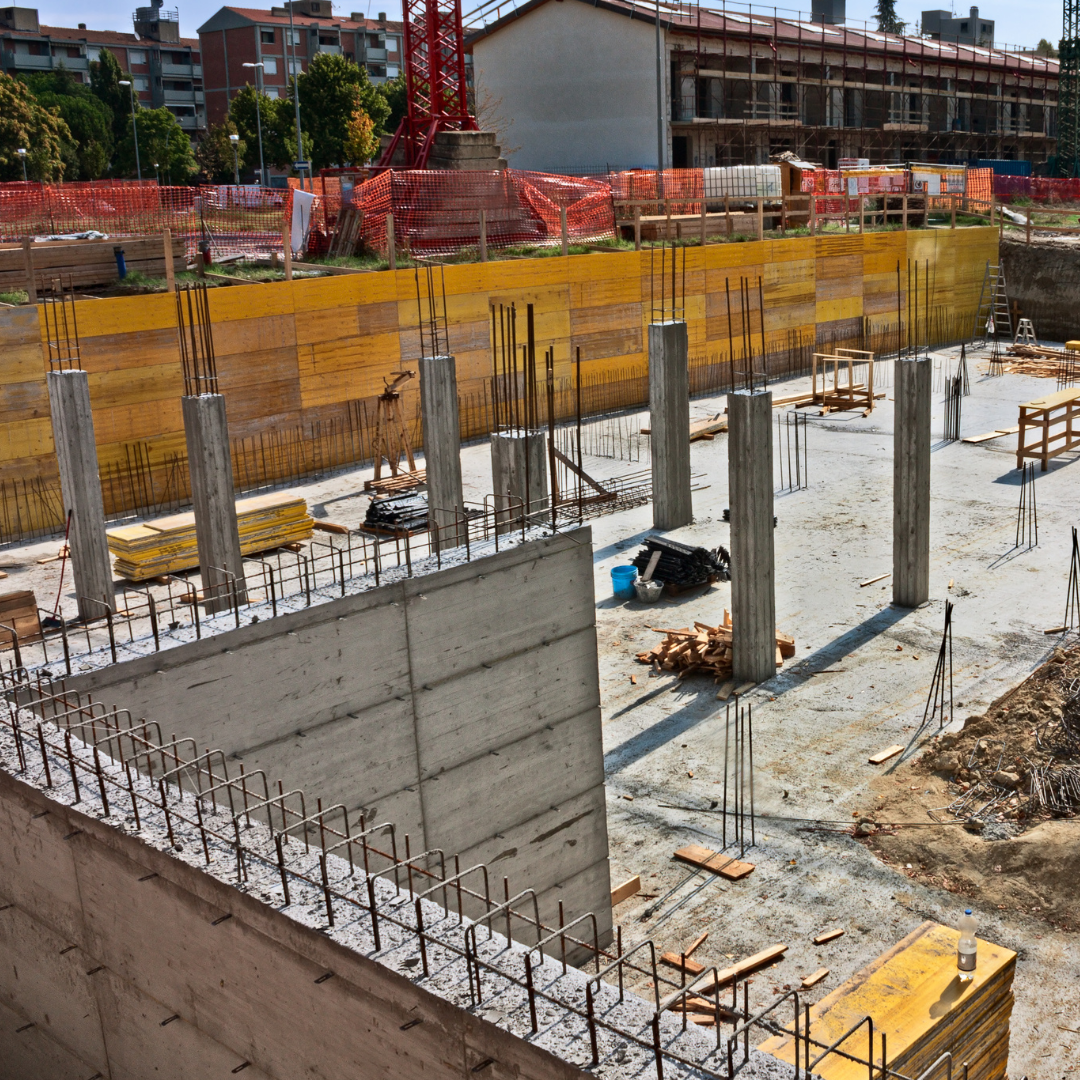
A long-lasting extension starts with a solid foundation. By understanding the importance of a strong foundation, conducting soil tests, consulting with professionals, choosing the right foundation type, obtaining permits, focusing on drainage and waterproofing, using quality materials, and staying vigilant with inspections and maintenance, you can ensure that your extension stands the test of time. A well-built foundation is an investment in the future, providing you with a safe, stable, and valuable addition to your home for years to come.

Introduction: In carpentry, time is money, and workflow is the pulse that keeps the business alive. Yet, many carpenters need help with a disjointed workflow, stifling efficiency and sapping the joy o...
.webp)
Introduction: Carpentry more than just a trade, is an art form. The journey to mastery involves constantly honing one"s skills, a voyage where every chisel stroke and nail-driven shapes not just ...

In the world of woodworking, every piece of timber tells a story - a tale of craftsmanship, dedication, and wisdom. For aspiring woodworkers and seasoned artisans alike, this blog is a collection of T...

In the world of woodworking, every piece crafted is a note in the symphony of a carpenter"s career. Yet, to compose a melodious tune, one must prioritize the conductor - their health and longevity. Th...
In carpentry, precision isn"t just about chiselling wood; it"s about chiselling a successful business. Financial stability and growth are the building blocks of a carpentry enterprise. Welcome to "Cra...

In the world of woodworking, creating something beautiful is not just an art—it"s a responsibility. A responsibility towards the craft, the client, and most importantly, the safety and well-bein...
Sign up to start winning an unlimited amount of jobs near you.


 Electrician
Gas Engineer
Electrician
Gas Engineer


Send more enquiries and explore your options
Increasing the number of potentials leads for you!
Have more control and flexibility over your finances!